Beyond Pad Thai: Your Culinary Adventure into Authentic Thai Flavors

Beyond Pad Thai: Your Culinary Adventure into Authentic Thai Flavors
Okay, let's be honest, who hasn't fallen head-over-heels for Pad Thai? That sweet, tangy, nutty noodle dish is like the gateway drug to Thai cuisine. But trust me, my friend, the Land of Smiles has SO much more to offer than just that familiar stir-fry. I'm talking a whole universe of vibrant flavors, aromatic spices, and textures that will explode in your mouth and leave you craving more. Think of Pad Thai as just the tip of the iceberg – a very delicious iceberg, granted – but an iceberg nonetheless! So, are you ready to ditch the tourist traps and embark on a culinary journey into the heart of real Thai food? Buckle up, because we're about to dive deep into the essential Thai dishes you absolutely HAVE to try.
Tom Yum Soup: A Symphony of Sour, Spicy, and Aromatic

First up, we have Tom Yum soup, a true Thai icon. This isn't your average chicken noodle soup, folks. Tom Yum is a flavor bomb of sour, spicy, and aromatic notes that will wake up your taste buds and leave you feeling refreshed. Seriously, I swear it can cure a cold! The broth is typically made with lemongrass, galangal (a type of ginger), kaffir lime leaves, chilies, fish sauce, and lime juice. It's this combination of ingredients that gives Tom Yum its signature tangy and spicy kick.
You'll often find Tom Yum with shrimp (Tom Yum Goong), but it can also be made with chicken (Tom Yum Gai), mushrooms (Tom Yum Hed), or even fish (Tom Yum Pla). My personal favorite is Tom Yum Goong – the plump, juicy shrimp perfectly complement the zesty broth. Don't be afraid of the chili peppers floating around in the soup; they add a wonderful heat and complexity to the flavor. Just try not to bite into one accidentally! Pro-tip: Ask for "mai pet" (not spicy) if you're sensitive to heat, but honestly, a little spice is part of the experience.
Green Curry (Gaeng Keow Wan): Creamy, Fragrant, and Satisfying
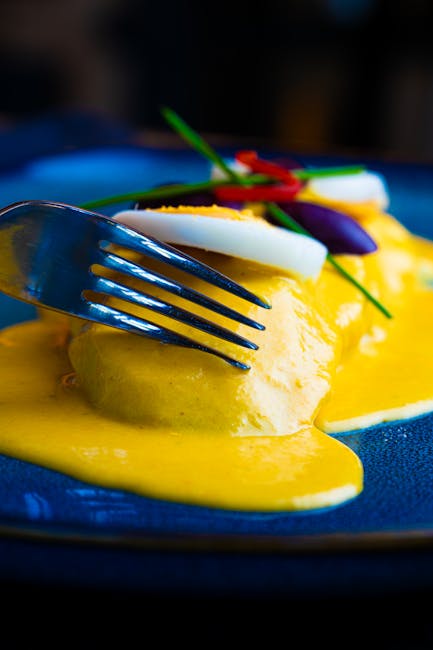
Next, let's talk about Green Curry, or Gaeng Keow Wan in Thai. This dish is a creamy, fragrant curry made with green chilies, coconut milk, bamboo shoots, Thai basil, and usually chicken, beef, or tofu. The green chilies give it a vibrant color and a mild to moderate spiciness (again, you can adjust the heat level to your liking). The coconut milk adds a richness and sweetness that balances the spiciness perfectly.
What I love most about Green Curry is its complexity. It's not just spicy and creamy; it's also packed with layers of flavor from the herbs and spices. The aroma alone is enough to make your mouth water! Green Curry is typically served with steamed jasmine rice, which soaks up all that delicious sauce. Trust me, you'll want to savor every last drop. I once tried making green curry from scratch, and while it was a bit of a labor of love, the result was so rewarding. There's something special about recreating those authentic Thai flavors in your own kitchen.
Massaman Curry (Gaeng Massaman): A Mild and Exotic Delight
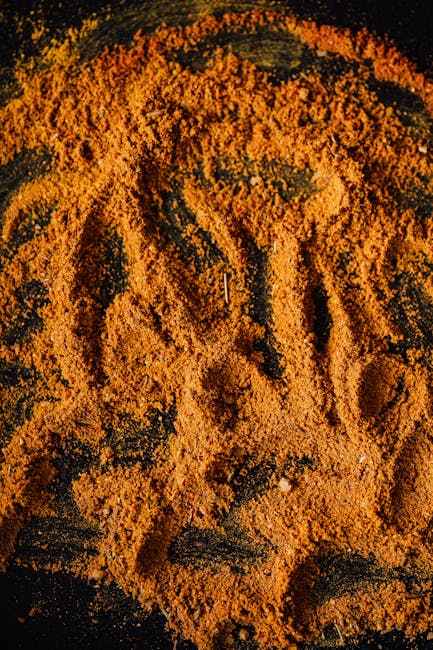
If you're not a fan of spicy food, or if you're looking for something a little different, Massaman Curry is the perfect choice. This curry is known for its mild flavor and its unique blend of spices, including cinnamon, cardamom, cloves, and nutmeg. These spices give Massaman Curry a warm, comforting flavor that's unlike any other Thai curry. It's said to have Persian origins, which explains the use of these non-traditional Thai spices.
Massaman Curry typically includes potatoes, peanuts, onions, and your choice of meat (usually beef, chicken, or lamb). The potatoes and peanuts add a creamy texture and a subtle sweetness to the curry. This is one of those dishes that's incredibly satisfying and comforting, especially on a chilly evening. I remember trying Massaman Curry for the first time at a small family-run restaurant in Bangkok, and it completely blew me away. It was so different from any other Thai food I had tried before, and it quickly became one of my favorites. Don't miss out on this one!
Som Tum (Green Papaya Salad): A Zesty and Refreshing Salad

Now, let's switch gears and talk about salad. But not just any salad – Som Tum, or Green Papaya Salad. This is a far cry from your typical lettuce-and-tomato affair! Som Tum is a spicy, sour, and savory salad made with shredded green papaya, tomatoes, green beans, chilies, garlic, fish sauce, lime juice, and peanuts. The combination of flavors and textures is simply irresistible.
The key to a good Som Tum is the balance of sweet, sour, salty, and spicy. The green papaya provides a crisp, refreshing base, while the chilies add a fiery kick. The fish sauce and lime juice give it a salty and sour tang, and the peanuts add a nutty crunch. It's a flavor explosion in your mouth! Som Tum is often served as a side dish, but it's also delicious as a light meal on its own. Be warned, though: Som Tum can be quite spicy, so be sure to let your server know if you prefer it mild. There are regional variations as well, so you might encounter versions with fermented fish sauce (Pla Ra) – an acquired taste, to say the least!
Pad See Ew: Wide Noodles in a Savory Sauce

If you're in the mood for noodles but want something different from Pad Thai, try Pad See Ew. This dish features wide rice noodles stir-fried with Chinese broccoli, egg, and your choice of meat (usually chicken, pork, or beef) in a savory soy sauce-based sauce. It's a simple dish, but the flavors are incredibly satisfying. The noodles are perfectly chewy, and the Chinese broccoli adds a slightly bitter contrast to the savory sauce.
Pad See Ew is a great option for those who prefer a less sweet noodle dish than Pad Thai. The sauce is more savory and umami-rich, thanks to the soy sauce. It's also a relatively quick and easy dish to make at home, which is always a plus in my book. I often add a sprinkle of white pepper and a squeeze of lime juice to brighten up the flavors even more. It's a classic for a reason!
Mango Sticky Rice (Khao Niao Mamuang): The Perfect Sweet Ending

No Thai meal is complete without dessert, and for me, there's no better way to end a meal than with Mango Sticky Rice, or Khao Niao Mamuang. This simple yet decadent dessert consists of sweet sticky rice topped with slices of ripe mango and drizzled with coconut milk. It's the perfect combination of sweet, creamy, and tropical flavors.
The sticky rice is cooked with coconut milk and sugar, which gives it a rich, creamy flavor. The mangoes should be perfectly ripe and sweet, adding a burst of tropical flavor. The coconut milk drizzle adds an extra layer of richness and sweetness. It's a truly heavenly combination! Mango Sticky Rice is a popular street food dessert in Thailand, and you'll find it everywhere during mango season (usually from March to June). I've even tried making it myself! It's surprisingly easy to make at home, and it's a guaranteed crowd-pleaser. Just make sure you use good-quality mangoes and sticky rice for the best results.
Beyond the Basics: Expanding Your Thai Culinary Horizons

So, there you have it – a whirlwind tour of some of the essential Thai dishes that go beyond Pad Thai. But this is just the beginning! Thai cuisine is incredibly diverse and regional, with each region having its own unique specialties and flavors.
Here are a few more dishes to add to your must-try list:
- Khao Soi: A creamy coconut curry noodle soup from Northern Thailand, often served with crispy egg noodles and pickled mustard greens.
- Panang Curry: Similar to red curry, but thicker, sweeter, and nuttier.
- Tom Kha Gai: A creamy coconut milk soup with chicken, lemongrass, galangal, and mushrooms.
- Larb: A minced meat salad with herbs, spices, and toasted rice powder.
- Sai Oua: A Northern Thai sausage flavored with herbs and spices.
And for the adventurous eaters among you, consider these:
- Gaeng Tai Pla: A very spicy and pungent fish kidney curry from Southern Thailand.
- Pla Ra: Fermented fish sauce, used in many Isan (Northeastern Thai) dishes.
- Insects: Grasshoppers, crickets, and silkworms are popular street food snacks in Thailand.
The best way to explore Thai cuisine is to be open to trying new things and to ask locals for their recommendations. Don't be afraid to venture off the beaten path and explore the smaller, family-run restaurants. These are often where you'll find the most authentic and delicious food. Happy eating!
I hope this little guide has inspired you to explore the wonderful world of Thai food beyond Pad Thai. Remember, every dish tells a story, and every bite is a journey. So, go out there, be adventurous, and discover your own favorite Thai dishes. And don't forget to share your culinary adventures with me! I'm always looking for new recommendations. Bon appétit, or as they say in Thailand, "Gin khao reu yang?" (Have you eaten yet?)
Post a Comment