Doi Suthep: My Soul-Stirring Journey to Chiang Mai's Sacred Mountain

Doi Suthep: My Soul-Stirring Journey to Chiang Mai's Sacred Mountain
Chiang Mai, the "Rose of the North" in Thailand, has always held a special allure for me. It's a place where ancient traditions meet modern life, where the air is fragrant with the scent of frangipani, and where the landscape is dominated by majestic mountains. But among all the wonders Chiang Mai offers, one place stands out as truly sacred and deeply moving: Doi Suthep Temple.
My first visit to Doi Suthep wasn't just a sightseeing trip; it was a pilgrimage of sorts. I felt a pull, a curiosity to understand the spiritual significance of this iconic temple that overlooks the entire city. From the moment I started my ascent, I knew I was in for something special.
The Legend of the White Elephant: A Foundation of Faith

The story of Doi Suthep's origins is captivating, intertwined with legend and faith. According to local lore, in the 14th century, a monk named Sumanathera was instructed in a dream to seek out a relic. He found a bone believed to be from the Buddha himself. This relic miraculously duplicated itself! One relic was enshrined at Wat Suan Dok, and the other was placed on the back of a sacred white elephant. The elephant was allowed to roam freely, and when it climbed Doi Suthep and trumpeted three times before lying down and dying, it was taken as a divine sign. King Kuena then ordered the construction of a temple on that very spot. That's how Wat Phra That Doi Suthep, the temple we know and love today, came into being.
Knowing this legend as I began my journey, I felt a deeper connection to the place. It wasn't just a temple; it was a manifestation of faith, a testament to the power of belief, and a living history etched into the mountainside.
Reaching the Summit: Choosing Your Ascent

Getting to Doi Suthep is an adventure in itself! You have a few options, each offering a different experience.
- The Naga Stairway: This is the traditional (and most strenuous!) way to reach the temple. Over 300 steps, flanked by magnificent Naga (serpent) sculptures, lead you upwards. It's a physical challenge, but the sense of accomplishment upon reaching the top is incredibly rewarding. Plus, the photo opportunities are fantastic!
- The Cable Car: If you're not up for the stairs, or are short on time, the cable car is a convenient and scenic alternative. It whisks you up the mountain in just a few minutes, offering breathtaking views of the surrounding landscape.
- Songthaew (Red Truck): This is a popular and affordable option. These shared taxis, painted a vibrant red, take you up the winding road to the temple entrance. It's a fun way to travel, and you get to share the experience with other visitors.
On my first visit, I chose the Naga Stairway. I wanted to earn my entry, to feel the effort that generations before me had undertaken. Let me tell you, those steps are no joke! But as I climbed, I saw elderly Thai women effortlessly ascending, their faces serene and determined. It was a powerful reminder of the deep faith that motivates so many people to visit Doi Suthep.
First Impressions: A Glimpse of Golden Glory

Reaching the top, I was immediately struck by the sheer beauty of the temple. The central golden chedi (stupa) gleamed brilliantly in the sunlight, a beacon of hope and spirituality. The intricate carvings, the vibrant colors, the aroma of incense – it was a sensory overload in the best possible way.
I removed my shoes (as is customary) and stepped onto the cool stone pavement. The air was thick with the murmur of prayers and the soft chime of bells. Monks in saffron robes walked slowly, their faces peaceful and contemplative. It was a scene of profound serenity.
Exploring the Temple Grounds: A Journey of Discovery
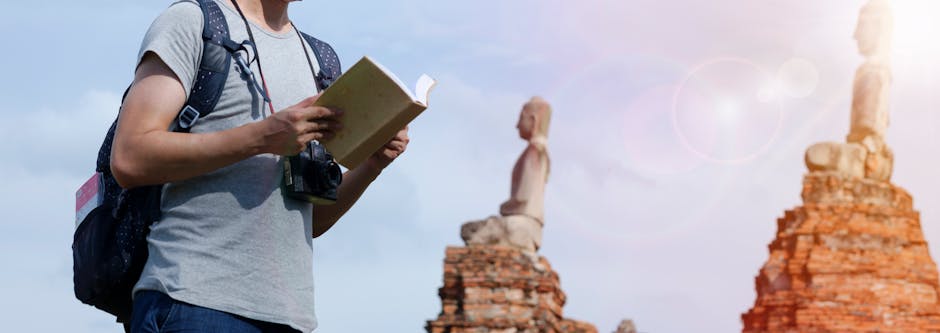
Doi Suthep isn't just a single temple; it's a complex of buildings, shrines, and courtyards, each with its own unique charm. I spent hours exploring, soaking in the atmosphere and discovering hidden gems.
Here are a few highlights that I highly recommend:
- The Central Chedi: This is the heart of the temple. Covered in gold leaf, it's a stunning example of Lanna architecture. Walk around it clockwise three times, making a wish with each circuit.
- The Emerald Buddha Replica: While the original Emerald Buddha resides in Bangkok, Doi Suthep has a beautiful replica. It's a revered object of worship, and you'll often see people praying before it.
- The Viewpoint: Don't miss the panoramic views of Chiang Mai from the temple's viewpoint. On a clear day, you can see the entire city stretching out before you, surrounded by lush green mountains. It's a truly breathtaking sight, especially at sunset.
- The Bell Garden: Ringing the bells is believed to bring good luck. The air is filled with the joyous sound of ringing bells, creating a festive and uplifting atmosphere.
- The Buddha Footprint: This intricately carved footprint is another important object of veneration. Leave a small offering of flowers or incense as a sign of respect.
I found myself drawn to the smaller details – the intricate carvings on the temple doors, the delicate paintings on the walls, the serene expressions on the faces of the Buddha statues. Each element told a story, a testament to the artistry and devotion of the people who built and maintained this sacred place.
The Spiritual Significance: Finding Inner Peace

For me, Doi Suthep was more than just a beautiful temple; it was a place of deep spiritual significance. The act of climbing the stairs, the peaceful atmosphere of the temple grounds, the murmured prayers – all these things created a sense of calm and inner peace. It was a place to reflect, to contemplate, and to connect with something larger than myself.
I spent time meditating in a quiet corner of the temple, letting the serenity of the surroundings wash over me. I watched as local Thais made offerings, their faces filled with devotion. I listened to the chanting of the monks, the ancient sounds resonating deep within my soul.
I realized that Doi Suthep is more than just a tourist attraction; it's a living, breathing spiritual center that has been nourishing the souls of countless people for centuries. It's a place where faith is palpable, where the past meets the present, and where the spirit is lifted.
Respectful Practices: Remembering the Sacredness

Visiting Doi Suthep is a privilege, and it's important to be respectful of the sacred nature of the place. Here are a few things to keep in mind:
- Dress Modestly: Cover your shoulders and knees. If you're wearing shorts or a tank top, you can rent a sarong at the entrance.
- Remove Your Shoes: Shoes are not allowed in the temple's sacred areas.
- Be Quiet and Respectful: Avoid loud talking or disruptive behavior.
- Don't Point Your Feet: It's considered rude to point your feet at Buddha images or monks.
- Ask Before Taking Photos: Be mindful of others when taking photos, and ask permission before photographing monks.
- Make a Donation: Donations help to support the temple and its upkeep.
By following these simple guidelines, you can ensure that your visit to Doi Suthep is a positive and respectful experience for everyone.
Beyond the Temple: Exploring the Mountain

While Wat Phra That Doi Suthep is the main attraction, Doi Suthep Mountain itself offers much more to explore. Consider these options:
- Bhubing Palace: The winter residence of the Thai Royal Family, this palace features beautiful gardens and stunning architecture. It's open to the public when the Royal Family is not in residence.
- Doi Pui Tribal Village: Learn about the culture and traditions of the Hmong people at this charming village. You can sample local cuisine, browse handicrafts, and experience a different way of life.
- Hiking Trails: Doi Suthep offers several hiking trails that wind through the lush forest. It's a great way to escape the crowds and connect with nature.
- Huay Kaew Waterfall: A refreshing spot to cool off and relax. It's a short walk from the base of Doi Suthep.
On subsequent trips, I ventured beyond the temple, exploring the surrounding area. The fresh mountain air, the vibrant flora and fauna, the peaceful atmosphere – it was a welcome escape from the bustle of the city. I especially enjoyed visiting the Doi Pui Tribal Village, learning about the Hmong culture, and enjoying the stunning views from the mountaintop.
My Lasting Impression: A Place of Transformation

Doi Suthep has left an indelible mark on my soul. It's more than just a temple; it's a place of transformation, a place where you can connect with your inner self, and a place where you can find peace and inspiration.
Each time I visit Chiang Mai, I make a point of returning to Doi Suthep. It's a ritual for me, a way to reconnect with my spiritual side and to recharge my batteries. I always leave feeling refreshed, renewed, and deeply grateful for the experience.
I encourage anyone planning a trip to Chiang Mai to make Doi Suthep a priority. Whether you're seeking spiritual enlightenment, breathtaking views, or simply a cultural experience, this sacred mountain will not disappoint.
So, plan your journey, embrace the adventure, and prepare to be moved by the beauty and serenity of Doi Suthep. You might just find that it touches your soul in ways you never imagined.
Remember to be respectful, open-minded, and ready to embrace the magic of this sacred place. And don't forget your camera!
Safe travels, my friend, and may your journey to Doi Suthep be filled with peace and wonder.
Post a Comment