Learning to Cook Thai: My Hands-On Adventures in a Flavorful World

Learning to Cook Thai: My Hands-On Adventures in a Flavorful World
Hey there, fellow food lover! Ever dreamed of whipping up authentic Thai dishes that taste just like the ones you devour in your favorite restaurant? I did, and let me tell you, diving into the world of Thai cuisine through hands-on cooking experiences has been one of the most rewarding adventures I've ever embarked on. It's not just about following a recipe; it's about understanding the heart and soul of Thai food, connecting with its ingredients, and creating something truly special.
My Thai Cooking Journey Begins: Why Hands-On?
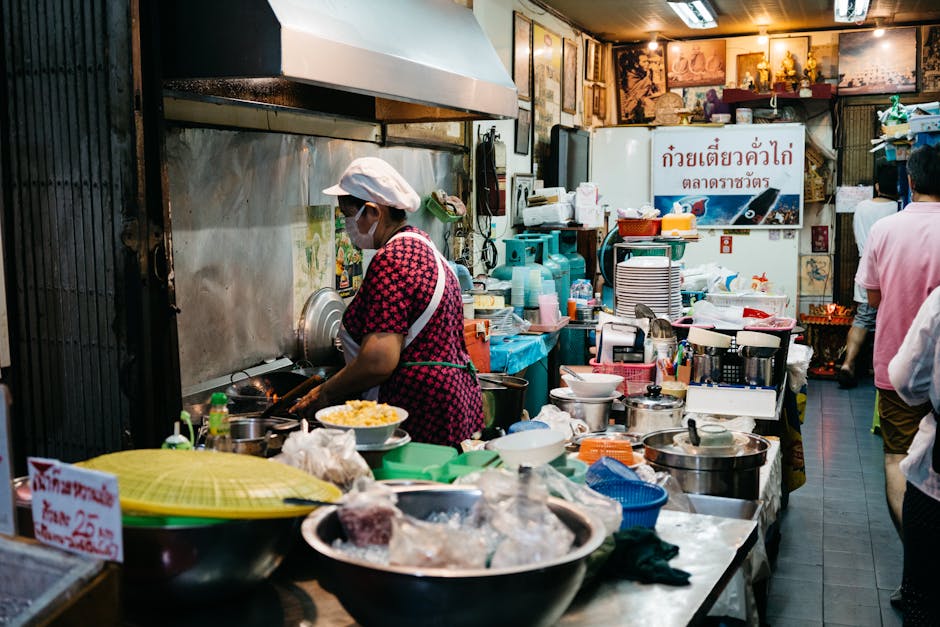
For years, I attempted to recreate Thai recipes from cookbooks and online. I'd meticulously measure ingredients, carefully follow instructions, and yet, the results often fell short. The flavors were…off. They lacked that vibrant, fresh, and balanced taste I craved. That's when I realized something was missing: the personal touch, the understanding of techniques, and the guidance of someone who genuinely knew the cuisine. That's why I sought out hands-on Thai cooking classes.
Why hands-on, you ask? Well, think about it. You can read about riding a bike all day long, but until you actually hop on and feel the pedals beneath your feet, you won't truly understand how to ride. Cooking is the same! You can read about stir-frying, but until you feel the heat of the wok, hear the sizzle of the ingredients, and learn to toss with confidence, you're just scratching the surface.
Hands-on classes offer so much more than just a recipe. They provide:
- Direct Instruction: Experienced instructors guide you every step of the way, correcting your technique and answering your questions.
- Sensory Learning: You'll see, smell, touch, and taste the ingredients, developing a deeper understanding of their flavors and textures.
- Personalized Feedback: Instructors can observe your cooking style and provide personalized tips and tricks.
- Community: You'll learn alongside other food enthusiasts, sharing experiences and building connections.
- Confidence: There's nothing quite like the feeling of creating a delicious dish from scratch with your own two hands. It empowers you to experiment and develop your culinary skills.
Choosing the Right Thai Cooking Class: A Few Tips
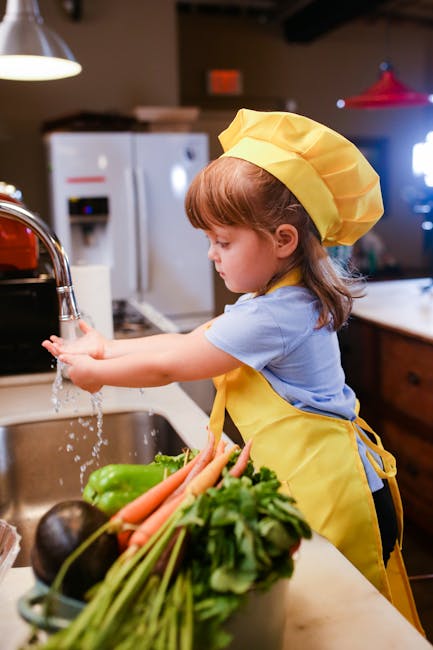
Finding the perfect cooking class is crucial to a fulfilling experience. Here's what I learned through my own research and trial-and-error:
- Consider Your Skill Level: Are you a complete beginner or do you have some cooking experience? Look for classes that cater to your level. Some classes focus on basic techniques, while others delve into more advanced dishes.
- Read Reviews: Check online reviews from previous participants. Pay attention to comments about the instructor's teaching style, the quality of the ingredients, and the overall experience.
- Check the Menu: Make sure the class covers dishes that you're genuinely interested in learning. Are you craving Pad Thai, Green Curry, or Mango Sticky Rice? Choose a class that features those recipes.
- Look at the Class Size: Smaller classes typically offer more personalized attention and interaction with the instructor.
- Inquire About Dietary Restrictions: If you have any allergies or dietary restrictions (vegetarian, vegan, gluten-free), make sure the class can accommodate them. Many cooking schools are happy to adapt recipes to suit your needs.
- Location, Location, Location: Is the location convenient for you? Factor in travel time and parking when making your decision.
- Don't Be Afraid to Ask Questions: Before booking a class, don't hesitate to contact the cooking school and ask any questions you may have.
My First Thai Cooking Class: A Nervous but Exciting Start

I remember walking into my first Thai cooking class with a mix of excitement and nerves. I felt like I was stepping into a new world – a world of vibrant colors, fragrant spices, and exotic flavors. The aroma of lemongrass, ginger, and chili filled the air, instantly transporting me to the streets of Bangkok (at least, in my imagination!).
Our instructor, a warm and patient Thai chef named Chef Aoy, greeted us with a smile. She introduced us to the essential ingredients of Thai cuisine: galangal, kaffir lime leaves, fish sauce, palm sugar, and Thai chilies (lots of them!). She explained the importance of balancing sweet, sour, salty, and spicy flavors – the hallmark of Thai cooking.
That first class focused on two classic dishes: Green Curry and Pad Thai. Chef Aoy demonstrated each step with precision and clarity, explaining the techniques and nuances of each ingredient. Then, it was our turn!
I have to admit, I was a bit intimidated at first. Stir-frying in a blazing hot wok was definitely a new experience! But Chef Aoy was there to guide me, correcting my technique and encouraging me to trust my instincts. With her help, I managed to create a surprisingly delicious Green Curry – creamy, fragrant, and perfectly balanced.
The Pad Thai was equally challenging but rewarding. Learning to control the heat, toss the noodles, and balance the flavors was a true culinary adventure. By the end of the class, I was exhausted but exhilarated. I had not only learned to cook two amazing dishes, but I had also gained a newfound appreciation for the art of Thai cuisine.
Key Techniques and Ingredients I Learned

Through my various hands-on cooking experiences, I've picked up a wealth of knowledge about Thai techniques and ingredients. Here are some of the most important things I've learned:
Essential Ingredients:
- Galangal: A rhizome similar to ginger, but with a more citrusy and peppery flavor.
- Kaffir Lime Leaves: These leaves add a distinct citrus aroma and flavor to curries and soups.
- Lemongrass: A fragrant stalk with a lemony flavor, used extensively in Thai cooking.
- Fish Sauce: A salty and umami-rich sauce made from fermented fish. It's a staple ingredient in Thai cuisine.
- Palm Sugar: A natural sweetener with a caramel-like flavor.
- Thai Chilies: Available in various levels of heat, these chilies add the signature spicy kick to Thai dishes.
- Coconut Milk: Used in curries, soups, and desserts, coconut milk adds creaminess and richness.
- Thai Basil: A fragrant basil with a slightly anise-like flavor.
- Cilantro (Coriander): A fresh herb used as a garnish and flavor enhancer.
- Rice Noodles: Available in various sizes and shapes, rice noodles are a staple in many Thai dishes.
Important Techniques:
- Pounding Curry Paste: Making curry paste from scratch is a labor of love, but it's worth the effort. Using a mortar and pestle allows you to release the essential oils of the spices and create a more flavorful paste.
- Stir-Frying: Stir-frying is a fast and efficient cooking method that requires high heat and constant movement. Mastering the art of stir-frying is essential for many Thai dishes.
- Balancing Flavors: Thai cuisine is all about balancing sweet, sour, salty, and spicy flavors. Learning to adjust the ingredients to achieve the perfect balance is key to creating authentic Thai dishes.
- Proper Knife Skills: Chopping vegetables and herbs with precision is essential for creating visually appealing and evenly cooked dishes.
- Using a Wok: Understanding how to use a wok to maximize heat distribution and prevent food from sticking is crucial for successful stir-frying.
Beyond the Classroom: Practicing at Home

Taking a cooking class is just the beginning. The real magic happens when you start practicing at home. Don't be afraid to experiment, adapt recipes to your taste, and make mistakes. That's how you learn!
Here are some tips for practicing your Thai cooking skills at home:
- Start Simple: Don't try to tackle a complex dish right away. Start with a simple recipe, like Pad See Ew or Tom Yum Soup.
- Gather Your Ingredients: Make sure you have all the ingredients you need before you start cooking. This will help you stay organized and avoid last-minute trips to the grocery store.
- Prepare Your Mise en Place: "Mise en place" is a French term that means "everything in its place." Before you start cooking, chop your vegetables, measure your spices, and prepare your sauces. This will make the cooking process much smoother.
- Taste as You Go: Don't be afraid to taste your food as you're cooking. This will allow you to adjust the flavors and ensure that the dish is perfectly balanced.
- Don't Give Up: It's okay to make mistakes. Everyone does! The important thing is to learn from your mistakes and keep practicing.
My Favorite Thai Dishes to Cook
Over the years, I've developed a repertoire of favorite Thai dishes that I love to cook at home. Here are a few of my go-to recipes:
- Green Curry with Chicken: Creamy, fragrant, and packed with flavor, this curry is a classic for a reason.
- Pad Thai: A noodle dish with shrimp, tofu, peanuts, and bean sprouts, Pad Thai is a crowd-pleaser.
- Tom Yum Soup: A hot and sour soup with lemongrass, galangal, and chilies, Tom Yum is a flavorful and comforting dish.
- Mango Sticky Rice: A sweet and sticky dessert made with glutinous rice, coconut milk, and fresh mango.
- Massaman Curry: A rich and complex curry with potatoes, peanuts, and coconut milk, Massaman is a hearty and flavorful dish.
The Joy of Sharing: Cooking for Friends and Family

The best part about learning to cook Thai food is the joy of sharing it with friends and family. There's nothing quite like the satisfaction of seeing their faces light up as they savor the flavors of a dish you've created with your own two hands. Plus, it's a fantastic way to impress them with your newfound culinary skills!
Pro Tip: When hosting a Thai dinner party, don't be afraid to ask your guests about their spice preferences. Some people can handle the heat, while others prefer milder flavors. Adjust the amount of chilies accordingly to ensure that everyone enjoys the meal.
My Final Thoughts: A Culinary Journey Worth Taking

Learning to cook Thai food through hands-on culinary experiences has been an incredibly rewarding journey. It's not just about learning to follow recipes; it's about understanding the culture, connecting with the ingredients, and creating something truly special. I highly recommend it to anyone who's passionate about food and eager to expand their culinary horizons. So, go ahead, find a Thai cooking class near you and embark on your own flavorful adventure! You won't regret it!
And remember, the most important ingredient in any dish is love. Cook with passion, experiment with flavors, and most importantly, have fun! Happy cooking!
Post a Comment