Thailand for Every Season: Your Year-Round Guide to the Land of Smiles
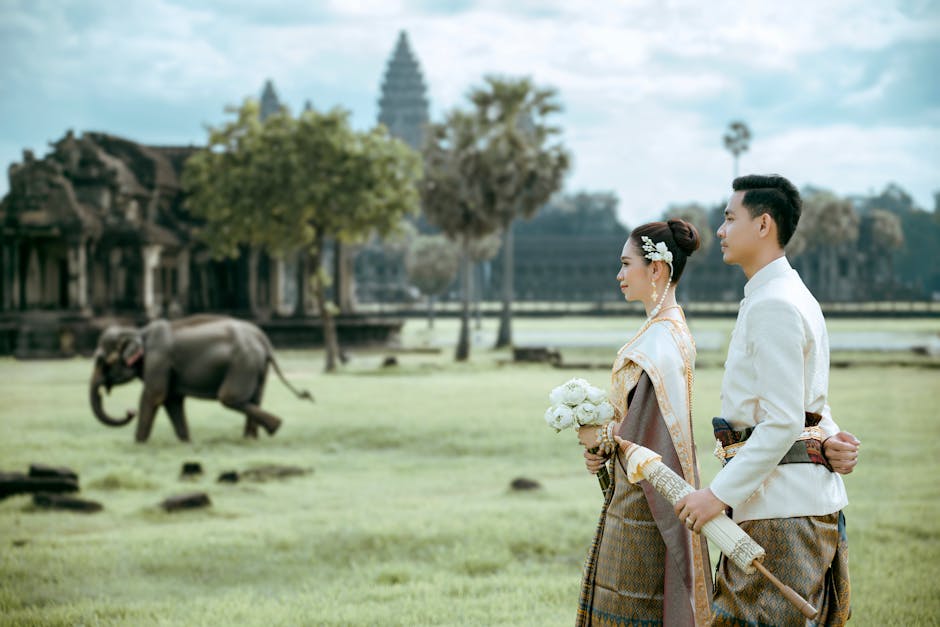
Thailand for Every Season: Your Year-Round Guide to the Land of Smiles
Hey there, fellow travel enthusiast! Ever dreamt of exploring the dazzling temples, pristine beaches, and vibrant culture of Thailand? I have, and let me tell you, it's even more incredible in person than you can imagine! But, like any destination, Thailand has distinct seasons, and knowing what to expect can make all the difference between a good trip and an amazing trip. So, grab a cup of something delicious and join me as we delve into Thailand's year-round allure. Consider this your personal guide, crafted with my own experiences and a little bit of insider knowledge to help you plan your perfect Thai adventure.
Understanding Thailand's Climate: A Seasonal Overview

Thailand's climate is tropical, influenced by monsoon winds. Generally, we can break the year down into three main seasons: the dry season (roughly November to April), the hot season (March to May), and the rainy season (June to October). Don't let "rainy season" scare you off, though! Each season offers unique advantages and appeals to different types of travellers. Let's break it down:
- Dry Season (November - April): This is often considered the best time to visit Thailand weather-wise. Expect sunny skies, pleasant temperatures, and low humidity, especially in the early part of the season (November to February).
- Hot Season (March - May): As the name suggests, things heat up considerably during this period. Temperatures can soar, making outdoor activities a bit more challenging, especially in the central plains. However, this is also the time for some fantastic festivals and deals.
- Rainy Season (June - October): Monsoon season brings higher humidity and frequent rainfall, but also lush greenery, fewer crowds, and lower prices. Don't picture constant downpours though. You'll likely encounter sunshine mixed with showers, often in the afternoons.
It's crucial to remember that these are general guidelines, and regional variations exist. Northern Thailand, for instance, can get quite chilly in the dry season evenings, while the southern islands might experience rain even during the 'dry' months. Always check the forecast closer to your travel dates!
January & February: The Peak Season Paradise

Ah, January and February – the heart of the dry season! These months are incredibly popular, and for good reason. Imagine clear blue skies, balmy temperatures, and minimal rainfall. It's the perfect time for exploring ancient ruins, lounging on idyllic beaches, and trekking through lush jungles. I remember visiting Chiang Mai in February a few years ago, and the weather was absolutely perfect for exploring the temples and markets. The air was crisp and clean, and the sunsets were simply breathtaking.
What to expect:
- Crowds: Be prepared for larger crowds, especially at popular tourist destinations.
- Higher Prices: Accommodation and flights will generally be more expensive. Book well in advance!
- Ideal for: Beach holidays, cultural explorations, hiking, and generally experiencing Thailand at its finest.
My personal tip: If you're planning to visit the southern islands during this time, consider exploring some of the less-visited ones. Islands like Koh Lanta or Koh Yao Yai offer a more relaxed and authentic experience than the bustling Koh Samui or Phuket.
March, April & May: Embrace the Heat (and the Festivals!)

As we move into March, April, and May, the temperatures start to climb. These are the hottest months in Thailand, and the humidity can be quite intense. While it might not be the ideal time for everyone, don't dismiss it completely! The hot season brings unique opportunities, including one of Thailand's most famous festivals: Songkran.
Songkran (Thai New Year): Celebrated in mid-April, Songkran is a vibrant and exhilarating water festival. Imagine city-wide water fights, colourful parades, and a joyous atmosphere. It's an experience unlike any other, but be prepared to get soaked! I remember being caught completely off guard during my first Songkran, but it quickly became one of my favourite memories of Thailand. Just remember to protect your electronics!
What to expect:
- Extreme Heat: Be prepared for high temperatures and humidity. Stay hydrated and wear sunscreen.
- Songkran Festival: A must-experience event if you're visiting in April.
- Lower Prices (Outside Songkran): Outside of the Songkran period, you might find slightly better deals on accommodation and flights.
My personal tip: If you're sensitive to the heat, plan your activities for the early morning or late afternoon. Spend midday relaxing by the pool, indulging in a Thai massage, or exploring air-conditioned malls.
June, July & August: The Lush Green Season

June, July, and August mark the beginning of the rainy season. While some travellers avoid Thailand during this time, I believe it's a truly underrated period. The landscape transforms into a vibrant green, the waterfalls are at their fullest, and the crowds thin out considerably. Plus, you can often snag some fantastic deals on accommodation and activities.
Don't expect constant rain, though. Typically, you'll experience sunshine in the mornings followed by afternoon or evening showers. These showers are often brief but intense, adding a refreshing element to the day. I once spent a week in Krabi during July, and while it rained a few afternoons, we still had plenty of sunshine for exploring the beaches and islands.
What to expect:
- Rainfall: Expect regular showers, especially in the afternoons and evenings.
- Lush Scenery: The countryside is at its greenest and most beautiful.
- Fewer Crowds: Enjoy a more relaxed and authentic experience.
- Lower Prices: Take advantage of off-season deals on flights and accommodation.
My personal tip: Pack light, quick-drying clothing and a waterproof jacket. Invest in a good quality umbrella or poncho. Don't let the rain deter you; it often adds a magical touch to the Thai landscape. This is also a great time to explore northern Thailand, as the rice paddies are at their most vibrant.
September & October: The Tail End of the Monsoon

September and October are generally the wettest months in Thailand. Rainfall can be more frequent and prolonged, and some islands might experience rough seas. However, even during these months, you'll still find pockets of sunshine and opportunities for adventure. Plus, the landscape remains incredibly lush and green.
This can be a great time for budget travellers willing to brave the rain. You'll find incredible deals on accommodation, and the lack of crowds means you can enjoy a more peaceful and intimate experience. Just be prepared for some potential travel disruptions due to weather conditions.
What to expect:
- Higher Rainfall: Expect the most consistent rainfall during these months.
- Potential Travel Disruptions: Some islands might be difficult to access due to rough seas.
- Budget-Friendly Travel: Enjoy the lowest prices of the year.
My personal tip: Check the weather forecast carefully before you travel and be prepared to adjust your itinerary if necessary. Consider focusing on mainland destinations that are less affected by the monsoon, such as Chiang Mai or Bangkok. Take advantage of indoor activities like cooking classes, spa treatments, and museum visits.
November & December: A Return to Paradise

As November rolls around, the rainy season begins to fade, and Thailand starts to transition back to the dry season. December is another peak season month, with clear skies, pleasant temperatures, and a festive atmosphere. It's a wonderful time to celebrate Christmas or New Year's Eve in a tropical paradise.
The beaches are pristine, the jungles are lush, and the weather is perfect for exploring. However, be prepared for larger crowds and higher prices, especially around the holiday season. Book your accommodation and flights well in advance to secure the best deals.
What to expect:
- Excellent Weather: Expect sunny skies, pleasant temperatures, and low humidity.
- Festive Atmosphere: Enjoy Christmas and New Year's Eve celebrations in a tropical setting.
- Higher Prices & Crowds: Book well in advance to avoid disappointment.
My personal tip: If you're looking for a quieter experience during this time, consider visiting some of the less-crowded destinations in Thailand. Explore the northern regions, head to the eastern islands, or venture inland to discover hidden gems.
Regional Variations: North, Central, and South

It's really important to understand that Thailand isn't a monolith. Different regions experience the seasons slightly differently.
- Northern Thailand (Chiang Mai, Chiang Rai): The north has a distinct cool season (November to February), making it ideal for trekking and exploring the mountains. The hot season (March to May) can be very hot and smoky due to agricultural burning. The rainy season (June to October) brings lush greenery and cooler temperatures.
- Central Thailand (Bangkok, Ayutthaya): The central plains experience a more pronounced hot season (March to May) with high humidity. The rainy season (June to October) can lead to flooding in some areas. The dry season (November to February) is the most comfortable time to visit.
- Southern Thailand (Phuket, Krabi, Koh Samui): The south has two distinct coastlines, each with its own microclimate. The Andaman coast (Phuket, Krabi) experiences its rainy season from May to October, while the Gulf coast (Koh Samui, Koh Phangan) experiences its rainy season from October to January. This means you can often find sunshine on one side of the peninsula while it's raining on the other.
Making the Most of Your Trip, No Matter the Season

Ultimately, the best time to visit Thailand depends on your personal preferences, budget, and tolerance for heat and rain. Each season offers unique advantages and experiences. The key is to do your research, plan accordingly, and embrace the unexpected!
Here are a few final tips to help you make the most of your trip, no matter when you visit:
- Pack appropriately: Consider the season and pack light, breathable clothing, sunscreen, insect repellent, and a waterproof jacket or umbrella.
- Stay hydrated: Drink plenty of water throughout the day, especially during the hot season.
- Be flexible: Weather conditions can be unpredictable, so be prepared to adjust your itinerary if necessary.
- Embrace the culture: Learn a few basic Thai phrases, dress respectfully when visiting temples, and be mindful of local customs.
- Enjoy the food! Thai cuisine is one of the highlights of any trip to Thailand. Be adventurous and try new dishes.
Thailand is a truly magical destination that offers something for everyone, year-round. Whether you're seeking sun-drenched beaches, ancient temples, bustling cities, or tranquil countryside, you're sure to find it in the Land of Smiles. So, go ahead, plan your adventure, and get ready to experience the beauty and charm of Thailand!
Post a Comment