Vegetarian & Vegan Thai Food: A Delicious and Authentic Culinary Journey

Vegetarian & Vegan Thai Food: A Delicious and Authentic Culinary Journey
Hey there, fellow food lovers! Ever dreamt of visiting Thailand, the land of smiles, stunning temples, and… incredibly delicious food? Me too! But if you're vegetarian or vegan, you might be wondering if you can fully enjoy the culinary scene. Let me tell you, you absolutely can! In fact, Thailand is surprisingly vegan-friendly, and vegetarian options are plentiful. I've explored the vibrant streets, bustling markets, and serene temples, always with an eye (and a hungry stomach) for plant-based delights. So, grab a cup of tea, and let's dive into a flavorful adventure exploring vegetarian and vegan food in Thailand!
Understanding Thai Cuisine: A Foundation for Plant-Based Eating
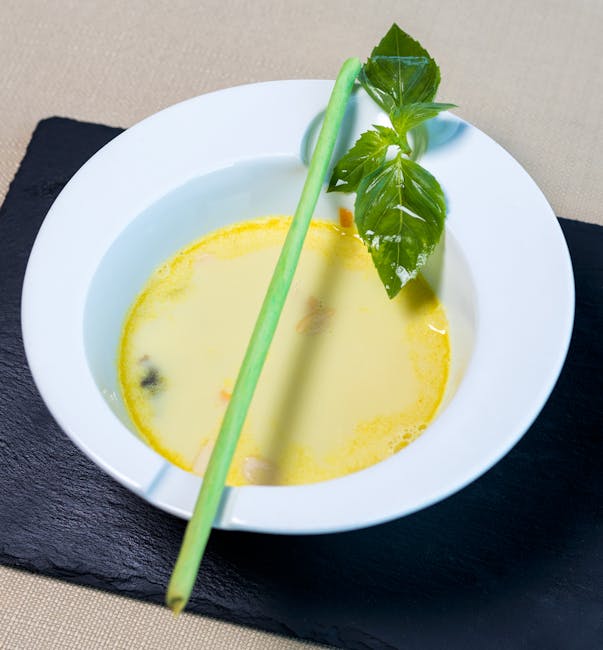
Before we jump into specific dishes, it's helpful to understand some key aspects of Thai cuisine. Thai food is all about balancing five fundamental tastes: sour, sweet, salty, bitter, and spicy. It often involves aromatic herbs and spices like lemongrass, galangal (Thai ginger), kaffir lime leaves, and chilies. Many dishes are based on rice or noodles and incorporate vegetables, tofu, and sometimes meat or seafood.
Now, the good news is that many Thai dishes can easily be adapted to be vegetarian or vegan. The key is communication! Learning a few basic phrases in Thai will be incredibly helpful. For example:
"Gin jay" (กินเจ) means "I eat vegetarian/vegan" (specifically, adhering to a stricter vegan diet that avoids pungent vegetables like garlic and onion, often practiced during certain festivals).
"Mai sai nam pla" (ไม่ใส่น้ำปลา) means "No fish sauce." This is crucial, as fish sauce is a very common ingredient in Thai cuisine. Many sauces and pastes also contain shrimp paste, so always double-check.
"Mang sa wirat" (มังสวิรัติ) means "Vegetarian." This is a more general term and might include eggs and dairy.
"Mai sai khai" (ไม่ใส่ไข่) means "No egg."
"Mai sai nom" (ไม่ใส่นม) means "No milk/dairy."
Don't be shy about using these phrases! Most Thai people are incredibly accommodating and will do their best to prepare a delicious meal that meets your dietary needs. Showing respect for their culture and making an effort to communicate will go a long way.
Delicious Vegetarian Thai Dishes: A Culinary Playground

Let's explore some of the most common and delicious vegetarian Thai dishes you're likely to encounter:
- Pad Thai (ผัดไทย): This is perhaps Thailand's most famous dish! Rice noodles are stir-fried with tofu, bean sprouts, peanuts, and a tangy tamarind sauce. Make sure to specify "mai sai nam pla" as many versions include fish sauce. Some places might also add dried shrimp, so it's always best to double-check.
- Green Curry (แกงเขียวหวาน): This fragrant curry is made with green chili paste, coconut milk, bamboo shoots, eggplant, and basil. You can easily request tofu or extra vegetables instead of meat. Ensure that the curry paste doesn't contain shrimp paste.
- Red Curry (แกงแดง): Similar to green curry, but made with red chili paste. Again, request tofu or vegetables and ensure no fish or shrimp paste is used.
- Massaman Curry (แกงมัสมั่น): This richer, slightly sweeter curry has Indian influences and is often made with potatoes, peanuts, and onions. It's usually mild in terms of spiciness. Again, confirm that the curry paste is vegetarian/vegan.
- Tom Yum Soup (ต้มยำ): This hot and sour soup is flavored with lemongrass, galangal, kaffir lime leaves, and chilies. It can be made vegetarian with mushrooms and vegetables. Be careful with this one, as it often contains fish sauce or shrimp.
- Tom Kha Soup (ต้มข่า): A creamy coconut milk soup with similar aromatics to Tom Yum. A delicious and comforting option, but make sure it's prepared without chicken broth.
- Pad See Ew (ผัดซีอิ๊ว): Wide rice noodles stir-fried with Chinese broccoli, egg (request "mai sai khai" for vegan), and a dark soy sauce. Add tofu for extra protein.
- Pad Kee Mao (ผัดขี้เมา): Also known as "drunken noodles," these wide rice noodles are stir-fried with chilies, basil, and vegetables. They're usually spicier than Pad See Ew! Request no fish sauce.
- Som Tum (ส้มตำ): Green papaya salad. This dish is incredibly refreshing and flavorful, with a mix of sour, sweet, spicy, and savory flavors. The traditional version contains fish sauce and dried shrimp, so be sure to specify "jay" or "mai sai nam pla."
- Spring Rolls (ปอเปี๊ยะ): Fresh or fried spring rolls filled with vegetables. Make sure they're not filled with shrimp or pork!
- Stir-fried Morning Glory (ผักบุ้งไฟแดง): A simple and delicious dish of water spinach stir-fried with garlic and chilies. This is often vegan by default, but always double-check!
This is just a starting point! Don't be afraid to ask about other vegetarian options. Many restaurants will be happy to create a custom dish for you.
Unlocking Vegan Delights: Navigating the Thai Vegan Scene

While vegetarian options are relatively easy to find, navigating the vegan scene in Thailand requires a bit more diligence. As mentioned earlier, many Thai dishes contain fish sauce, shrimp paste, or oyster sauce. However, with a few key phrases and a bit of careful ordering, you can absolutely enjoy a delicious and satisfying vegan culinary experience.
Here are some additional tips for vegan eating in Thailand:
- Seek out "Jay" Restaurants: These restaurants specifically cater to vegan diets, often using tofu and vegetable-based substitutes for meat and seafood. Look for signs with the Thai word "เจ" (jay) in red or yellow.
- Explore Vegan Cafes and Restaurants: In larger cities like Bangkok and Chiang Mai, you'll find dedicated vegan cafes and restaurants offering a wide range of plant-based dishes, from traditional Thai food to Western-inspired creations.
- Embrace Tofu and Tempeh: Tofu is a staple in Thai cuisine and can be found in various forms, from crispy fried tofu to silken tofu used in soups and desserts. Tempeh is also becoming increasingly popular.
- Cook Your Own Meals: If you have access to a kitchen, visiting local markets and preparing your own meals is a great way to control the ingredients and ensure that your food is completely vegan.
- Download Translation Apps: Consider downloading a translation app to help you communicate your dietary needs more effectively.
Hidden Gems and Local Favorites: Beyond the Tourist Trail

Once you've tried the classic Thai dishes, venture off the beaten path to discover some hidden gems and local favorites:
Khanom Krok (ขนมครก): These coconut pancakes are a popular street food snack. They're typically vegan (although some vendors might add egg), so be sure to double-check. They're sweet, creamy, and utterly addictive!
Mango Sticky Rice (ข้าวเหนียวมะม่วง): A quintessential Thai dessert! Sweet sticky rice is topped with fresh mango slices and drizzled with coconut milk. It's naturally vegan and incredibly delicious.
Coconut Ice Cream (ไอศกรีมมะพร้าว): A refreshing and creamy vegan ice cream made with coconut milk. Look for it served in a coconut shell with various toppings.
Roti (โรตี): This Indian-influenced flatbread is often sold on the street. Ask for it without egg ("mai sai khai") and with sweet fillings like banana or chocolate.
Fresh Fruit: Thailand is a paradise for fruit lovers! Enjoy a wide variety of tropical fruits like mangoes, pineapples, watermelons, rambutans, and durian. Many street vendors sell pre-cut fruit, making it a convenient and healthy snack.
Local Markets: Exploring local markets is a fantastic way to discover new and interesting ingredients and dishes. You might find unique vegan options that you wouldn't see in restaurants.
My Personal Thai Food Adventures: Stories from the Road

I remember one time in Chiang Mai, I was wandering through a night market, feeling a bit overwhelmed by all the tempting smells and sights. I spotted a small stall with a sign in Thai that I couldn't read. Using my best charades skills (and a little help from Google Translate), I managed to convey that I was vegan. The vendor, a friendly older woman, smiled and started preparing a dish that wasn't even on her menu – a stir-fried noodle dish with tofu, vegetables, and a delicious peanut sauce. It was one of the most memorable meals of my trip, not just because of the flavors, but because of the kindness and willingness of the vendor to accommodate my dietary needs.
Another time, I was in a remote village in Northern Thailand and struggling to find any vegan options. I ended up visiting a local temple, where the monks prepared a simple but incredibly nourishing vegetarian meal for me. It consisted of rice, vegetables, and a flavorful curry made with coconut milk and local herbs. It was a humbling experience that reminded me of the importance of gratitude and simple living.
These are just a couple of examples of the many wonderful culinary adventures I've had in Thailand as a vegetarian/vegan. It's a country where you can truly indulge your taste buds and discover a world of flavor, even with dietary restrictions.
Embrace the Journey: Tips for a Smooth and Delicious Experience

Here are a few final tips to help you make the most of your vegetarian and vegan food adventures in Thailand:
- Be Prepared: Research vegetarian and vegan restaurants in advance and download translation apps.
- Be Patient: Sometimes communication can be challenging, so be patient and understanding.
- Be Adventurous: Don't be afraid to try new things and explore local markets and street food stalls.
- Be Respectful: Show respect for Thai culture and customs.
- Have Fun!: Most importantly, have fun and enjoy the delicious vegetarian and vegan food that Thailand has to offer!
Thailand is a truly magical place, and its cuisine is a reflection of its rich culture and warm hospitality. With a little preparation and an open mind, you can have an unforgettable culinary journey, no matter your dietary preferences. So, go ahead, book that ticket, pack your bags, and get ready to experience the delicious and diverse world of vegetarian and vegan Thai food!
Post a Comment