Beyond Tom Yum: A Delicious Dive into Regional Thai Soups

Beyond Tom Yum: A Delicious Dive into Regional Thai Soups
Okay, friend, let's talk Thai food. Specifically, Thai soup. I know, I know, everyone instantly thinks of Tom Yum. That spicy, sour, lemongrass-infused broth is undeniably iconic. But believe me, darling, the world of Thai soups stretches far beyond those familiar flavors. It's a whole universe of tastes and textures, shaped by regional ingredients and traditions. Think of this as our little culinary adventure, a journey to discover the hidden gems bubbling away in different corners of Thailand.
The Enchanting Diversity of Thai Regional Cuisine

Before we plunge into specific soups, let's quickly touch on why Thai cuisine is so incredibly diverse in the first place. Thailand, geographically, is a long country, stretching from the mountains of the north to the tropical beaches of the south. Each region has its own distinct climate, landscape, and, crucially, available ingredients. These factors, combined with historical influences from neighboring countries like Burma, Laos, and Malaysia, have resulted in truly unique culinary identities.
Think of it like this: the North is all about earthy flavors and slow-cooked comfort food, drawing on herbs and spices found in the mountains. The Northeast (Isan) is known for its bold, fermented flavors and reliance on sticky rice. Central Thailand, home to Bangkok, is a melting pot of influences, showcasing a balance of sweet, sour, salty, and spicy. And the South? Well, the South is all about seafood, coconuts, and fiery curries.
This regionality extends to soups, of course! Each area boasts its own specialties, using local produce and cooking techniques to create broths that are both comforting and deeply flavorful. So, put down that Tom Yum for a second (don't worry, we'll come back to it!) and let's explore some of these delightful alternatives.
Northward Bound: Comforting Bowls of Northern Thai Soups

The North of Thailand, with its cooler climate, lends itself to heartier, more comforting soups. These soups often feature earthy flavors, rich broths, and warming spices. They are perfect for those chilly evenings, or honestly, anytime you need a hug in a bowl.
One soup that really shines in this region is Khao Soi. This isn't strictly a soup, but it's served in a broth, so I'm including it. And trust me, you'll thank me for it. Khao Soi is a creamy coconut curry noodle soup, typically made with chicken or beef. The broth is infused with warming spices like ginger, turmeric, and coriander, giving it a deep golden color and incredibly fragrant aroma. But the best part? It's topped with crispy fried noodles, adding a delightful textural contrast to the soft noodles and rich broth. Seriously, if you're ever in Northern Thailand, or find a restaurant specializing in Northern Thai cuisine, you HAVE to try Khao Soi.
Another northern gem is Tom Saep. This sour and spicy soup is incredibly popular, not just in the North, but across Thailand. What sets it apart is its focus on tender, fall-off-the-bone pork ribs or beef. The broth is clear and tangy, flavored with lemongrass, galangal, lime leaves, and plenty of chilies. It's often garnished with roasted rice powder, which adds a nutty, slightly smoky flavor. Tom Saep is the perfect balance of comforting and invigorating, making it a real crowd-pleaser.
Isan Delights: Bold Flavors from Northeastern Thailand
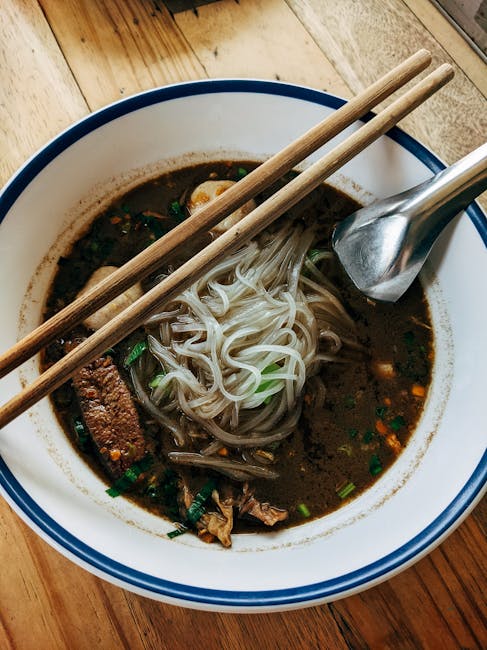
Prepare your taste buds for a rollercoaster, because the soups of Isan, the Northeastern region of Thailand, are known for their bold and intense flavors. This region is heavily influenced by Laotian cuisine, resulting in soups that are often sour, spicy, and fermented. Think pungent aromas, fiery chilies, and ingredients you might not find anywhere else.
One of the most iconic Isan soups is Tom Pla Ra. This soup might not be for the faint of heart, as it features Pla Ra, a fermented fish sauce that has a very… distinctive aroma. But if you can get past the smell, you'll be rewarded with a complex and deeply flavorful broth. Tom Pla Ra typically includes chunks of fish, bamboo shoots, eggplant, and a generous helping of chilies. It's often served with fresh herbs and vegetables, which help to balance the strong flavors. It's an acquired taste, but one that many Isan locals swear by.
Another interesting Isan soup is Gaeng Om. This herbal stew is more of a thick soup than a broth. It's packed with vegetables like pumpkin, eggplant, and long beans, and flavored with lemongrass, galangal, and chilies. The key ingredient, however, is Bai Yanang, a leafy green that gives the soup a slightly bitter and earthy flavor. Gaeng Om is often made with pork or chicken, and it's typically served with sticky rice. It's a truly unique and flavorful soup that showcases the resourcefulness and creativity of Isan cuisine.
Central Comforts: A Symphony of Flavors from the Heart of Thailand
Central Thailand, home to Bangkok, is a culinary melting pot, reflecting the influences of different regions and international cuisines. Soups from this region tend to be more refined and balanced, showcasing a harmony of sweet, sour, salty, and spicy flavors.
While Tom Yum reigns supreme in Central Thailand, let's explore another delicious option: Tom Kha Gai. This coconut milk soup is a creamy and fragrant alternative to Tom Yum, offering a milder and more comforting flavor profile. The broth is infused with coconut milk, lemongrass, galangal, lime leaves, and chilies, creating a rich and aromatic base. Tom Kha Gai typically includes chicken (Gai), mushrooms, and tomatoes, and it's often garnished with cilantro and lime wedges. It's the perfect soup for those who enjoy the flavors of Thailand but prefer a less spicy and more soothing experience.
Another classic Central Thai soup is Gaeng Jued Woonsen. This clear broth soup is incredibly light and refreshing, making it a perfect choice for warmer days. Gaeng Jued Woonsen features glass noodles (Woonsen), ground pork meatballs, and various vegetables like cabbage, carrots, and mushrooms. The broth is subtly flavored with garlic, white pepper, and a touch of soy sauce. It's a simple but satisfying soup that showcases the delicate flavors of Thai cuisine.
Southern Sensations: Coastal Flavors from the Tropical South

The South of Thailand, with its abundance of coastline and tropical climate, is renowned for its seafood and coconut-based curries. Soups from this region are often rich, creamy, and intensely flavorful, reflecting the local ingredients and culinary traditions.
One Southern Thai soup that's definitely worth trying is Gaeng Som Pla. This sour curry soup is a fiery and flavorful dish that's sure to awaken your taste buds. Gaeng Som Pla features fish (Pla) simmered in a sour and spicy broth made with tamarind paste, chilies, and turmeric. It's often packed with vegetables like green papaya, long beans, and cabbage, adding texture and complexity to the soup. Gaeng Som Pla is a bold and vibrant soup that showcases the intense flavors of Southern Thai cuisine.
Another Southern specialty is Tom Yam Kung Maprao Orn. Okay, okay, I know I said we were going beyond Tom Yum, but this is a variation worth mentioning! This soup is essentially Tom Yum with the addition of young coconut meat (Maprao Orn) and coconut milk. The young coconut meat adds a subtle sweetness and tender texture to the soup, while the coconut milk creates a richer and creamier broth. It's a delicious twist on a classic that highlights the abundance of coconuts in the Southern region.
Bringing it Back to Tom Yum: Why it Remains a Classic

Despite all the other amazing soups Thailand has to offer, there's a reason why Tom Yum remains so popular. Its perfect balance of sweet, sour, salty, spicy, and umami flavors is simply irresistible. Plus, it's incredibly versatile. You can find Tom Yum variations with shrimp (Kung), chicken (Gai), mushrooms (Hed), or even mixed seafood. The broth is always fragrant and invigorating, thanks to the lemongrass, galangal, lime leaves, and chilies. And that fiery kick? It's what keeps you coming back for more.
Think of Tom Yum as the gateway drug to the wider world of Thai soups. Once you've experienced its magic, you'll be eager to explore the other regional specialties and discover your own favorites.
Tips for Exploring Thai Soups

Ready to embark on your own Thai soup adventure? Here are a few tips to help you along the way:
- Don't be afraid to ask questions: If you're dining at a Thai restaurant, don't hesitate to ask the staff about the different soups on the menu. They can provide valuable insights into the ingredients, flavors, and regional origins of each dish.
- Embrace the spice: Thai food is known for its spiciness, and soups are no exception. Start with milder options and gradually work your way up to the more fiery varieties. Remember, you can always ask for "mai phet" (not spicy) or "phet nit noi" (a little spicy) if you're unsure.
- Look for regional specialties: Seek out restaurants that specialize in specific regional Thai cuisines. This will give you a better chance of trying authentic and unique soups.
- Experiment with ingredients: If you're feeling adventurous, try making your own Thai soups at home! There are plenty of recipes available online and in cookbooks. Don't be afraid to experiment with different ingredients and adjust the flavors to your liking.
- Pair with rice: Many Thai soups are traditionally served with rice, which helps to soak up the flavorful broth and balance the spiciness. Sticky rice is especially popular in the North and Northeast regions.
Final Thoughts: A Soup for Every Soul

So there you have it – a delicious dive into the world of regional Thai soups! From the comforting bowls of the North to the bold flavors of Isan, the refined tastes of Central Thailand, and the coastal sensations of the South, there's a Thai soup out there for every soul. Don't limit yourself to Tom Yum; venture beyond the familiar and discover the hidden gems that await. You might just find your new favorite comfort food. And who knows, maybe you'll even become a Thai soup aficionado like me!
Happy slurping, my friend! May your culinary adventures be filled with flavor, warmth, and plenty of delicious discoveries.
Post a Comment