Mastering Thai Curries: A Journey of Flavors You Can Create at Home

Mastering Thai Curries: A Journey of Flavors You Can Create at Home
Have you ever been completely captivated by a dish? For me, that's Thai curry. It's more than just food; it's an experience. The vibrant colors, the intoxicating aromas, the explosion of flavors – sweet, spicy, sour, and savory – all dancing on your tongue. For years, I thought creating these culinary masterpieces was best left to the professionals. But then, I decided to embark on my own Thai curry adventure, and let me tell you, it's been one of the most rewarding cooking experiences of my life! I'm here to share what I've learned, so you too can master the art of Thai curries from the comfort of your own kitchen.
Understanding the Foundations: Curry Paste is King

The heart and soul of any great Thai curry is undoubtedly the curry paste. It's the foundation upon which all those glorious flavors are built. You can certainly buy pre-made curry pastes, and there are some excellent ones out there (I'll share my favorites later!), but making your own from scratch takes the experience to a whole new level. It allows you to customize the flavors to your exact preference – a little more heat, a touch more lemongrass, perhaps. The process can seem intimidating at first, but it's actually quite straightforward once you understand the core ingredients.
Here's a breakdown of the essential elements you'll find in most Thai curry pastes:
- Aromatic Roots and Stems: These form the base of the paste, providing the characteristic Thai fragrance. Think galangal (a ginger-like rhizome with a sharper, citrusy note), ginger (for warmth and a subtle bite), lemongrass (citrusy and refreshing), and turmeric (earthy and slightly bitter, also adds a beautiful color).
- Chilies: This is where the heat comes from! The type and quantity of chilies will determine the spice level of your curry. Fresh chilies are preferred for their vibrant flavor, but dried chilies, rehydrated, can also be used. Bird's eye chilies pack a serious punch, while larger chilies offer a milder, fruitier heat.
- Aromatic Spices: These add depth and complexity to the flavor profile. Common spices include coriander seeds (citrusy and slightly nutty), cumin seeds (earthy and warm), white peppercorns (a milder heat than black peppercorns), and sometimes cinnamon, cloves, or nutmeg (used more sparingly in some variations).
- Alliums: Garlic and shallots provide that savory, pungent backbone that ties everything together. Shallots are generally preferred for their sweeter, more delicate flavor.
- Shrimp Paste (Kapi): This is a fermented shrimp paste that adds a crucial umami element to many Thai curries, particularly red and massaman. It has a strong, pungent aroma that mellows out beautifully when cooked. Don't skip it! You can often find it at Asian grocery stores.
- Salt and Sugar: These enhance the other flavors and balance the overall profile. Palm sugar is traditionally used, but brown sugar works well as a substitute.
Making Your Own Paste: A Step-by-Step Guide
Alright, let's get down to it. Here's a general guide to making your own Thai curry paste. Keep in mind that specific recipes will vary depending on the type of curry (red, green, yellow, etc.), but the process is fundamentally the same.
- Gather Your Ingredients: Start by collecting all the necessary ingredients according to your chosen recipe. Make sure everything is fresh and of good quality.
- Prepare the Ingredients: Wash and peel (if necessary) your ingredients. Roughly chop them into smaller pieces to make them easier to process. Remove the seeds from the chilies if you prefer a milder heat.
- Toast the Spices: Toasting the dry spices (coriander seeds, cumin seeds, peppercorns) in a dry pan over medium heat for a few minutes enhances their aroma and flavor. Watch them carefully to prevent burning!
- Pound or Blend: Traditionally, Thai curry pastes are made using a mortar and pestle. This method allows you to release the essential oils and flavors gradually. However, a food processor or blender can also be used for convenience. If using a blender, add a small amount of water or oil to help the ingredients blend smoothly.
- Combine and Grind: Start by pounding or blending the harder ingredients (like lemongrass, galangal, and chilies) first, then gradually add the softer ingredients (garlic, shallots, spices, shrimp paste). Grind until you have a smooth, consistent paste.
- Taste and Adjust: Once the paste is made, taste it and adjust the flavors to your liking. Add more chilies for heat, lime juice for acidity, or fish sauce for saltiness.
Exploring the Different Types of Thai Curry
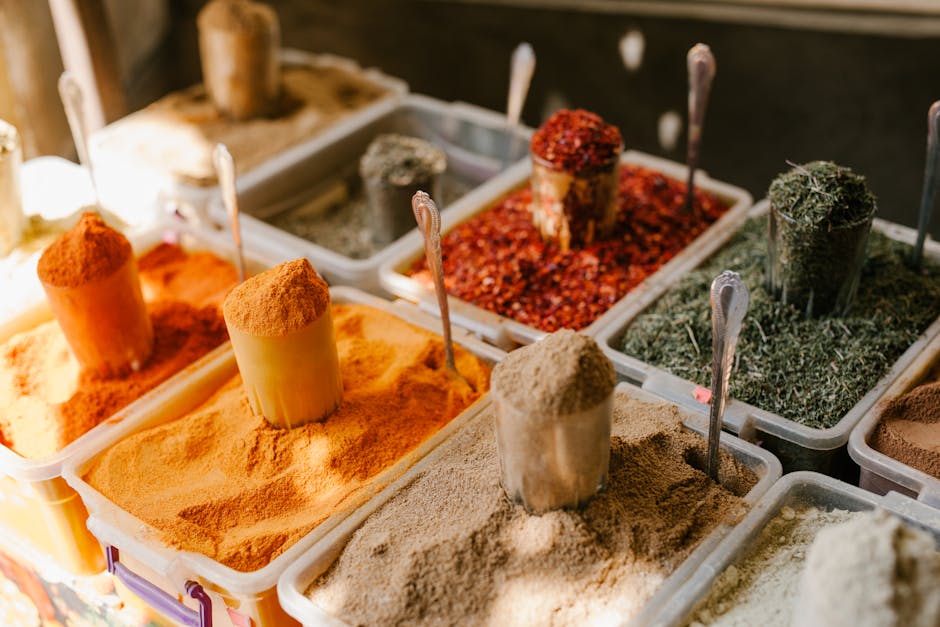
Thai cuisine boasts a diverse array of curries, each with its unique flavor profile and ingredients. Here's a glimpse into some of the most popular types:
- Red Curry (Gaeng Phet): This is perhaps the most well-known Thai curry. It gets its vibrant red color from dried red chilies. The paste typically includes lemongrass, galangal, garlic, shallots, shrimp paste, coriander seeds, cumin seeds, and white peppercorns. Red curry is often made with coconut milk and can be paired with various meats (beef, chicken, pork), seafood, or vegetables.
- Green Curry (Gaeng Keow Wan): Green curry is characterized by its fresh, herbaceous flavor and green color, which comes from fresh green chilies and herbs like cilantro roots and kaffir lime leaves. The paste often includes lemongrass, galangal, garlic, shallots, shrimp paste, coriander seeds, cumin seeds, and white peppercorns. It's traditionally made with coconut milk and pairs well with chicken, seafood, or vegetables. Green curry is often considered to be spicier than red curry.
- Yellow Curry (Gaeng Kari): Yellow curry is milder and more subtly spiced than red or green curry. It gets its yellow color from turmeric and curry powder. The paste typically includes turmeric, coriander seeds, cumin seeds, cinnamon, cloves, bay leaf, garlic, and shallots. Yellow curry is often made with coconut milk and potatoes and is commonly paired with chicken or tofu.
- Massaman Curry (Gaeng Massaman): This curry is heavily influenced by Persian and Indian flavors. It's rich, aromatic, and relatively mild in terms of spiciness. The paste typically includes dried chilies, lemongrass, galangal, cinnamon, cloves, nutmeg, cumin, coriander, cardamom, and peanuts. Massaman curry is often made with coconut milk, potatoes, and peanuts and is commonly paired with beef or chicken.
- Panang Curry (Gaeng Panang): Panang curry is similar to red curry but is thicker, richer, and slightly sweeter. The paste typically includes dried red chilies, lemongrass, galangal, garlic, shallots, kaffir lime leaves, coriander seeds, cumin seeds, and peanuts. Panang curry is often made with coconut milk and is commonly paired with beef, chicken, or pork.
Building Your Curry: From Paste to Plate
Now that you have your curry paste (either homemade or store-bought), it's time to build your curry! Here's a general process that applies to most Thai curries:
- Sauté the Curry Paste: Heat a little oil (coconut oil is a great choice) in a pot or wok over medium heat. Add the curry paste and sauté for a few minutes, stirring constantly, until fragrant. This step is crucial for releasing the flavors of the paste and preventing it from tasting raw.
- Add Coconut Milk: Pour in the coconut milk. Start with the thicker part of the coconut milk (the cream) first, then add the thinner part. Bring the mixture to a simmer.
- Add Meat, Seafood, or Vegetables: Add your chosen protein or vegetables. For meats, sear them lightly before adding them to the curry for extra flavor. Adjust cooking times according to the ingredient.
- Season and Simmer: Season the curry with fish sauce, sugar (palm sugar is best), and lime juice to taste. Simmer the curry until the meat or vegetables are cooked through and the flavors have melded together.
- Garnish and Serve: Garnish the curry with fresh herbs like basil, cilantro, or kaffir lime leaves. Serve hot with steamed jasmine rice.
Tips and Tricks for Curry Perfection

Over the years, I've picked up a few tricks that have helped me elevate my Thai curry game. Here are some of my favorites:
- Use Fresh Ingredients: This is paramount. Fresh herbs, chilies, and spices will make a world of difference in the flavor of your curry.
- Don't Be Afraid to Experiment: Once you understand the basic principles, feel free to experiment with different ingredients and flavors to create your own signature curry.
- Balance the Flavors: Thai cuisine is all about balance. Make sure your curry has a good balance of sweet, sour, salty, and spicy flavors.
- Adjust the Heat: If you're sensitive to spice, start with a small amount of chili paste and add more to taste.
- Use Good Quality Coconut Milk: The quality of your coconut milk will affect the richness and creaminess of your curry. I recommend using full-fat coconut milk for the best results.
- Kaffir Lime Leaves: These add a unique citrusy aroma that is essential for many Thai curries. Tear them slightly before adding them to the curry to release their flavor.
- Fish Sauce: A key ingredient in Thai cuisine, fish sauce adds a salty, savory, and umami flavor to curries. Use it sparingly and adjust to taste.
- Let it Sit: Like many stews and soups, Thai curries often taste even better the next day. The flavors have more time to meld together.
Recommended Store-Bought Curry Pastes

While homemade curry paste is fantastic, sometimes time is of the essence. Here are a few brands of store-bought curry pastes that I've found to be reliable and delicious:
- Maesri: This brand offers a wide variety of curry pastes, including red, green, yellow, massaman, and panang. Their pastes are generally considered to be authentic and flavorful.
- Aroy-D: Aroy-D is another popular brand that produces high-quality curry pastes. Their pastes are made with fresh ingredients and have a good balance of flavors.
- Thai Kitchen: This brand is widely available in most supermarkets and offers a convenient option for those who are new to Thai cooking. Their pastes are generally milder in terms of spiciness.
My Favorite Curry Recipe: Green Chicken Curry
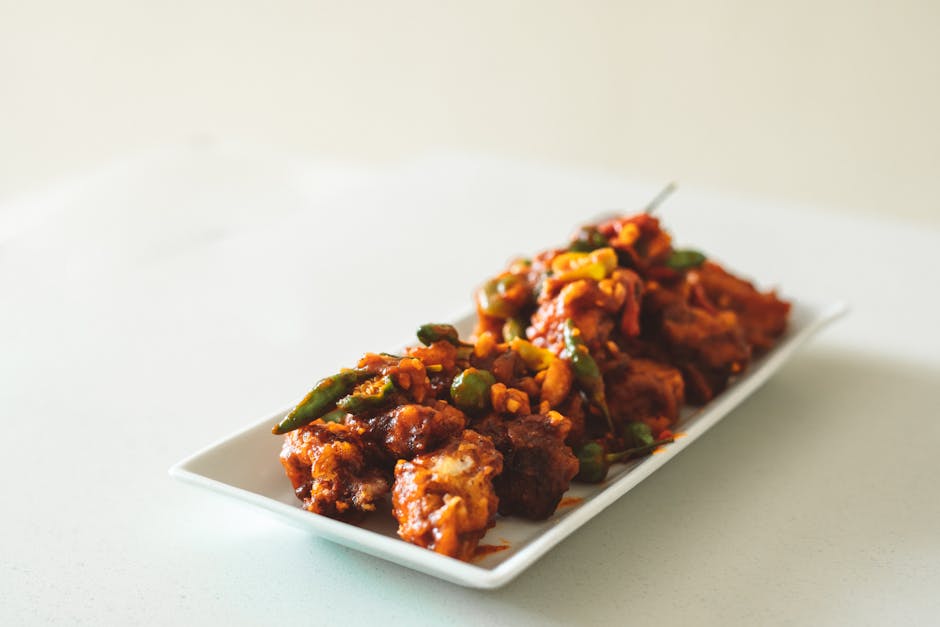
Let me share one of my go-to recipes: Green Chicken Curry. This is a crowd-pleaser every time!
Ingredients:
- 1 tbsp coconut oil
- 2 tbsp green curry paste
- 1 lb boneless, skinless chicken thighs, cut into bite-sized pieces
- 1 can (13.5 oz) full-fat coconut milk
- 1 cup chicken broth
- 1 bell pepper, sliced
- 1 zucchini, sliced
- 1 can (8 oz) bamboo shoots, drained
- 1/4 cup fish sauce
- 2 tbsp palm sugar (or brown sugar)
- 1 tbsp lime juice
- 4-5 kaffir lime leaves, torn
- 1/4 cup fresh basil leaves
- Steamed jasmine rice, for serving
Instructions:
- Heat the coconut oil in a large pot or wok over medium heat.
- Add the green curry paste and sauté for 2-3 minutes, stirring constantly, until fragrant.
- Add the chicken and cook until lightly browned.
- Pour in the coconut milk and chicken broth. Bring to a simmer.
- Add the bell pepper, zucchini, and bamboo shoots. Simmer for 10-15 minutes, or until the vegetables are tender and the chicken is cooked through.
- Stir in the fish sauce, palm sugar, and lime juice.
- Add the kaffir lime leaves and simmer for another 5 minutes.
- Stir in the fresh basil leaves.
- Serve hot with steamed jasmine rice.
Embark on Your Own Flavor Journey

Mastering Thai curries is a journey, not a destination. There's always something new to learn, a new ingredient to try, a new flavor combination to explore. Don't be afraid to experiment, to make mistakes, and to have fun! The most important thing is to enjoy the process and to create curries that you love. So, gather your ingredients, sharpen your knives, and get ready to embark on your own Thai curry adventure. Happy cooking!
Post a Comment