Phra Phutthabat: Exploring Thailand's Sacred Buddha Footprint & Spiritual Journey

Phra Phutthabat: Exploring Thailand's Sacred Buddha Footprint & Spiritual Journey
Hey everyone! Have you ever felt that pull, that irresistible urge to explore a place steeped in history and spirituality? For me, Thailand has always held that allure, and recently, I had the opportunity to visit Phra Phutthabat, home to a revered Buddha footprint. Let me tell you, it was an experience that resonated deeply, far beyond just sightseeing. I want to share my journey with you, not just as a tourist account, but as a personal reflection on faith, history, and the incredible power of sacred sites.
Unveiling Phra Phutthabat: More Than Just a Footprint

So, what exactly is Phra Phutthabat? Well, in Thai, it literally translates to "Buddha's Footprint." But it's more than just a literal print; it's a powerful symbol of the Buddha's presence on earth and a significant pilgrimage site for Buddhists from all over the world. The most famous, and the one I visited, is located in Saraburi Province, about a 2-3 hour drive north of Bangkok. This footprint is housed within the beautiful Wat Phra Phutthabat Ratchaworamahawihan temple complex. Before I went, I did some research, but nothing quite prepared me for the sheer grandeur and spiritual energy of the place.
Forget the sterile museum vibe – this is a living, breathing center of faith. You'll see monks chanting, devotees praying, and the air thick with the scent of incense. It's a feast for the senses, and a window into the heart of Thai Buddhism.
Legend and Lore: How the Footprint Was Discovered
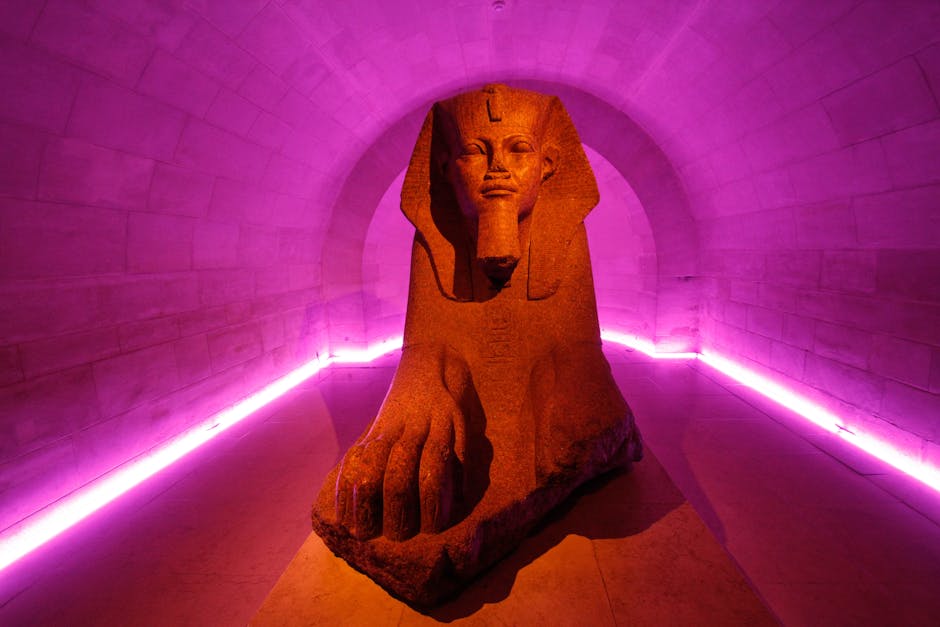
The story behind the discovery of the Phra Phutthabat is fascinating, a blend of history and legend. According to tradition, the footprint was discovered during the reign of King Songtham of Ayutthaya in the 17th century. The story goes that the king sent a search party to find a natural water source that could cure a debilitating illness plaguing his people. They stumbled upon a large footprint filled with naturally purified water. Miraculously, the water cured the illness, and the King, recognizing the sacred nature of the site, declared it holy and worthy of protection.
Of course, like many ancient sites, the historical accuracy is intertwined with folklore. Some scholars believe the footprint may have been there for centuries, perhaps even pre-dating the Ayutthaya period. Regardless of its exact origins, the importance of the Phra Phutthabat as a place of pilgrimage and worship is undeniable.
Wat Phra Phutthabat Ratchaworamahawihan: A Temple Complex of Splendor

The temple complex surrounding the footprint is truly stunning. It's not just one building, but a sprawling collection of ornate structures, each with its own unique charm and purpose. Here's a glimpse into what you can expect to see:
- The Mondop: This is the heart of the complex, the structure that houses the sacred footprint. It's a beautiful, square-shaped pavilion with a tiered roof, adorned with intricate carvings and gleaming gold leaf. The inside is equally breathtaking, with the footprint itself protected by layers of glass and surrounded by offerings of flowers, candles, and incense.
- Viharn Luang: A large assembly hall used for religious ceremonies and gatherings. The architecture is typically Thai, with high, sloping roofs and ornate decorations.
- Ubosot: The ordination hall, where monks are ordained. It's usually the most sacred building in a temple complex and is often decorated with elaborate murals depicting scenes from the life of the Buddha.
- Museums: The complex has a few small museums displaying artifacts related to the temple's history and the Buddha footprint. They offer a deeper understanding of the site's significance.
- Bell Towers: Like many Thai temples, Phra Phutthabat has several bell towers. Ringing the bells is believed to bring good luck and merit.
- Numerous Chedis (Stupas): Dotted around the complex are various chedis, cone-shaped structures that often house relics of the Buddha or important monks.
Walking through the complex, I was struck by the artistry and dedication that went into creating these magnificent structures. Every detail, from the intricate carvings to the vibrant colors, seemed to be imbued with a sense of reverence and devotion.
My Personal Experience: A Journey of Reflection
Visiting Phra Phutthabat was more than just a sightseeing trip for me; it was a personal journey of reflection. The sheer number of people who had come to pay their respects, to offer their prayers, was incredibly moving. Seeing the devotion in their eyes, the sincerity in their actions, made me think about my own beliefs and values.
Standing before the Buddha footprint, I felt a sense of peace and tranquility wash over me. It's hard to explain, but there's a palpable energy in that place, a feeling of connection to something larger than oneself. I spent some time simply observing, absorbing the atmosphere, and reflecting on the teachings of the Buddha. It was a truly profound experience.
Tips for Visiting Phra Phutthabat: Plan Your Spiritual Adventure
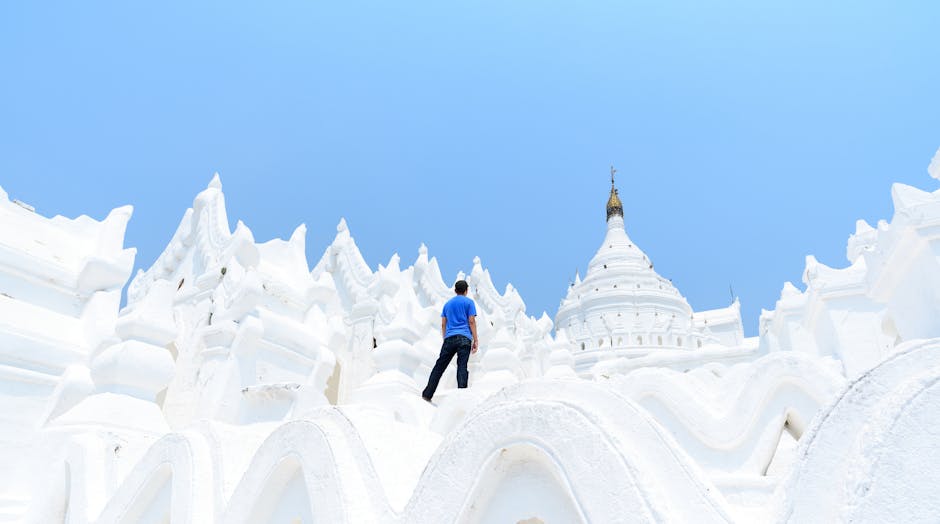
If you're planning a trip to Thailand and are interested in exploring sacred sites, I highly recommend visiting Phra Phutthabat. Here are a few tips to help you plan your adventure:
- Dress Respectfully: This is a sacred site, so dress modestly. Cover your shoulders and knees. Avoid wearing revealing clothing.
- Remove Your Shoes: You'll need to remove your shoes before entering the Mondop and other sacred buildings.
- Be Mindful of Your Behavior: Avoid loud talking, laughing, or any behavior that might be considered disrespectful.
- Bring Water: It can get hot and humid, especially during the summer months, so stay hydrated.
- Hire a Guide (Optional): While not essential, hiring a local guide can enhance your experience by providing insights into the history and significance of the site.
- Check for Festivals: Phra Phutthabat hosts several festivals throughout the year, which can be a great time to visit. However, be prepared for larger crowds.
- Learn Basic Thai Phrases: Knowing a few basic Thai phrases like "Sawasdee" (hello) and "Khop Khun" (thank you) will be appreciated by the locals.
Here's a little breakdown of the best times to visit and transportation options:
- Best Time to Visit: The cool season (November to February) offers the most pleasant weather. Avoid the rainy season (June to October) if possible.
- Getting There: You can take a bus or train from Bangkok to Saraburi, and then take a local songthaew (shared taxi) or tuk-tuk to the temple. Alternatively, you can hire a private taxi for a more comfortable and convenient journey. Many tour operators also offer day trips from Bangkok.
Beyond the Footprint: Exploring Other Sacred Sites in Thailand

While the Phra Phutthabat is undoubtedly a significant sacred site, Thailand is brimming with other places of spiritual importance. If you're planning a longer trip, consider visiting some of these as well:
- Wat Arun (Temple of Dawn), Bangkok: This iconic temple on the Chao Phraya River is renowned for its stunning architecture and intricate decorations.
- Wat Pho (Temple of the Reclining Buddha), Bangkok: Home to the massive Reclining Buddha statue, this temple is a must-see in Bangkok. It's also a renowned center for traditional Thai massage.
- Wat Phra Kaew (Temple of the Emerald Buddha), Bangkok: Located within the Grand Palace complex, this temple houses the highly revered Emerald Buddha statue.
- Sukhothai Historical Park: Explore the ruins of the ancient Sukhothai Kingdom, a UNESCO World Heritage site. It's a beautiful and serene place to connect with Thailand's history and culture.
- Ayutthaya Historical Park: Similar to Sukhothai, Ayutthaya was once the capital of Siam (Thailand). Explore the impressive ruins of temples and palaces from this bygone era, another UNESCO World Heritage site.
Each of these sites offers a unique glimpse into Thailand's rich spiritual heritage.
The Enduring Power of Sacred Sites

My trip to Phra Phutthabat and the other sacred sites I've visited in Thailand have left a lasting impression on me. They've reminded me of the power of faith, the importance of history, and the beauty of human connection. These aren't just tourist attractions; they're living testaments to the enduring human search for meaning and purpose.
Whether you're a devout Buddhist, a history buff, or simply a curious traveler, I encourage you to explore the sacred sites of Thailand. You might just find that they offer something profound, something that resonates deep within your soul.
Leave a Trace of Positivity

Before I wrap things up, I'd love to hear from you! Have you ever visited a sacred site that had a profound impact on you? Share your experiences in the comments below. And if you're planning a trip to Thailand, feel free to ask me any questions – I'm happy to share my insights and recommendations. Safe travels and may your journey be filled with discovery and inspiration!
Remember to always travel responsibly and respectfully, leaving only footprints and taking only memories (and maybe a few souvenirs!).
Post a Comment