The Hell Garden: Exploring Wang Saen Suk & Buddhist Concepts of Afterlife
The Hell Garden: Exploring Wang Saen Suk & Buddhist Concepts of Afterlife
Hey friend, ever been to a place that makes you really think about your life choices? I'm talking about a place so intense, so visually striking, that it forces you to confront your own morality. Well, I have! I recently visited Wang Saen Suk Hell Garden, also known as the "Hell Garden" near Chonburi, Thailand. And let me tell you, it was an experience I won't soon forget.
What is Wang Saen Suk (Hell Garden)?

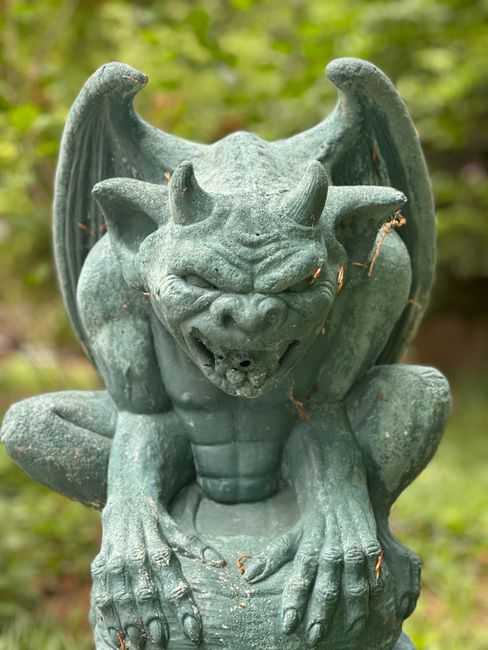
Wang Saen Suk isn't your typical tourist destination. Forget pristine beaches and fancy resorts; this is a place designed to shock and educate, all at the same time. Imagine a sprawling garden filled with grotesque sculptures, depicting the punishments meted out in Buddhist hell, also known as Naraka. It's a visual representation of the consequences of bad deeds, designed to encourage people to live virtuous lives. It is sometimes referred to as "Buddha Magic Garden" and that name is far more alluring.
It's not just about scaring people straight, though. It's also deeply rooted in Buddhist teachings about karma, rebirth, and the importance of ethical behavior. The garden visually illustrates these concepts, making them accessible and impactful, even for those unfamiliar with Buddhist philosophy.
Think of it as a three-dimensional, intensely graphic textbook on Buddhist morality. It's visceral, unforgettable, and surprisingly thought-provoking. It's not for the faint of heart, but if you're open to exploring some deeper existential questions, it's an incredible place to visit.
My Experience at the Hell Garden

From the moment I walked through the entrance, I felt a sense of unease. The air seemed heavier, the colors more vibrant. The sculptures, some life-sized, some larger than life, were incredibly detailed. They depicted scenes of torture and suffering, based on the specific sins committed in life.
I saw figures with their tongues ripped out for lying, their bodies impaled for harming others, and their heads bashed in for violence. It was graphic, yes, but also strangely compelling. Each scene told a story, a cautionary tale about the consequences of immoral actions.
Honestly, I was a bit taken aback at first. The sheer intensity of the images was overwhelming. But as I walked through the garden, reading the accompanying descriptions (in Thai and some English), I began to understand the message behind the madness. It wasn't just about scaring people; it was about encouraging them to reflect on their own actions and strive to be better.
I watched as families walked through, the parents explaining the significance of each scene to their children. It was a powerful reminder of the importance of teaching moral values and fostering a sense of empathy and responsibility.
Understanding Buddhist Hell (Naraka)
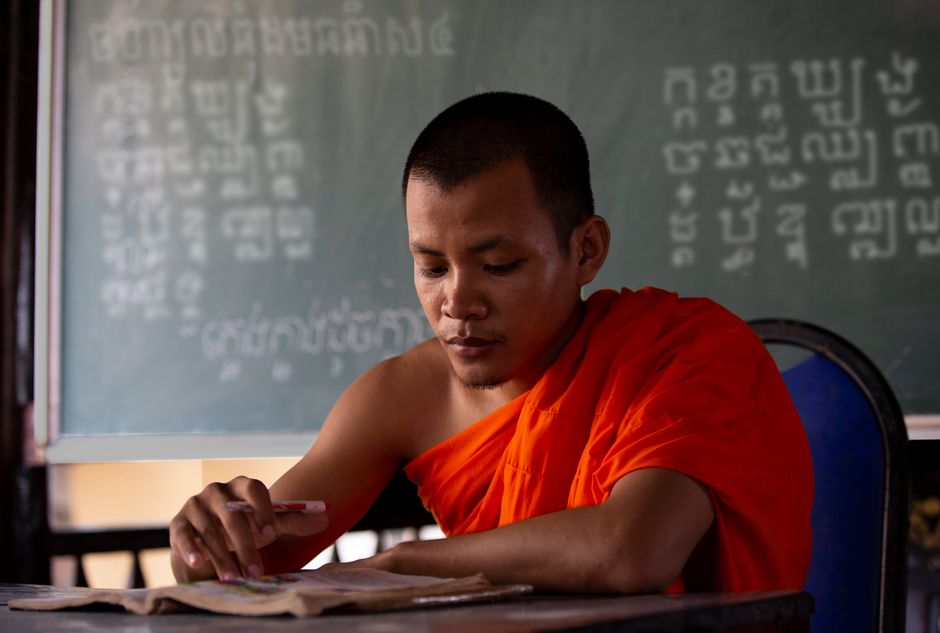
To really appreciate the Hell Garden, it's helpful to understand the Buddhist concept of hell, or Naraka. It's not quite the same as the Christian idea of eternal damnation. In Buddhism, Naraka is a temporary realm of suffering, a place where individuals experience the consequences of their negative karma.
Here's a breakdown of some key aspects of Naraka:
- Temporary Suffering: Unlike the eternal hell in some other religions, Naraka is not permanent. Beings are reborn into Naraka to experience the consequences of their actions, but eventually, they will be reborn into another realm, depending on their remaining karma.
- Cause and Effect (Karma): Naraka is a direct result of negative karma. Actions have consequences, and the suffering experienced in Naraka is a reflection of the harm caused in previous lives.
- Different Levels of Suffering: Naraka is often described as having multiple layers or realms, each with varying degrees of suffering. The severity of the punishment depends on the severity of the offense.
- Opportunity for Reflection: Even in Naraka, there is an opportunity for reflection and repentance. While the suffering is intense, it can also serve as a catalyst for change, motivating beings to cultivate positive karma in future lives.
The Hell Garden brings these concepts to life in a vivid and impactful way. It's a reminder that our actions have consequences, and that cultivating compassion, kindness, and ethical behavior is essential for a positive rebirth.
Common Punishments Depicted at Wang Saen Suk
The sculptures in the Hell Garden depict a wide range of punishments, each tailored to the specific sins committed. Here are some of the most common and striking scenes I witnessed:
- Lying: Those who lie are often depicted with their tongues being ripped out. This serves as a stark reminder of the importance of honesty and truthful communication.
- Stealing: Thieves are shown having their hands cut off. This emphasizes the importance of respecting other people's property and avoiding greed.
- Adultery: Those who commit adultery may be depicted being forced to climb thorny trees or embrace burning iron figures. This highlights the importance of fidelity and commitment in relationships.
- Killing Animals: Those who kill animals are often depicted being disemboweled or subjected to similar forms of suffering. This emphasizes the importance of respecting all life and avoiding violence.
- Harmful Speech: Those who engage in gossip, slander, or other forms of harmful speech may be shown being forced to drink molten metal. This highlights the importance of using words carefully and avoiding causing harm to others.
- Abortion: Scenes depicting the consequences of abortion are also present, highlighting its controversial nature within some Buddhist interpretations.
These are just a few examples of the punishments depicted in the Hell Garden. While they may seem extreme, they serve as a powerful reminder of the importance of ethical behavior and the consequences of our actions.
The Purpose of the Hell Garden: More Than Just Scare Tactics
While the graphic nature of the Hell Garden might lead you to believe it's simply a scare tactic, its purpose is much deeper than that. It's designed to:
- Educate: The garden visually explains complex Buddhist concepts like karma and rebirth in an accessible way.
- Promote Moral Reflection: By depicting the consequences of immoral actions, the garden encourages visitors to reflect on their own behavior and make positive changes.
- Reinforce Ethical Values: The garden reinforces the importance of ethical values like honesty, compassion, and respect for all life.
- Serve as a Reminder: It serves as a constant reminder that our actions have consequences, and that we should strive to live virtuous lives.
In essence, the Hell Garden is a tool for moral education, designed to inspire positive change and promote a more compassionate and ethical society. It is a visual sermon, intended to resonate long after you leave its gates.
Tips for Visiting Wang Saen Suk
If you're planning a trip to Wang Saen Suk, here are a few tips to keep in mind:
- Be Prepared: The images are graphic and can be disturbing. Be prepared for a potentially intense emotional experience.
- Dress Respectfully: As a religious site, it's important to dress respectfully. Avoid wearing revealing clothing.
- Take Your Time: Allow yourself plenty of time to explore the garden and reflect on the meaning of the sculptures.
- Read the Descriptions: The descriptions accompanying the sculptures provide valuable insights into the Buddhist concepts being depicted.
- Be Respectful of Others: Be mindful of other visitors and avoid making noise or disrupting their experience.
- Consider the Cultural Context: Remember that the Hell Garden is rooted in Buddhist beliefs and values. Approach it with an open mind and a willingness to learn.
- Bring Water: Thailand can get hot! Stay hydrated.
- Photography: While photography is generally allowed, be mindful of the sensitive nature of the subject matter.
Getting There and Practical Information

Wang Saen Suk is located near Chonburi, Thailand, which is about a 1-2 hour drive from Bangkok. Here's some practical information to help you plan your visit:
- Location: Saen Suk, Mueang Chon Buri District, Chon Buri 20130, Thailand
- Getting There: The easiest way to get there is by taxi or private car from Bangkok or Pattaya. You can also take a bus to Chonburi and then a local taxi or songthaew (shared taxi) to the garden.
- Opening Hours: The garden is generally open daily from 8:00 AM to 5:00 PM. However, it's always a good idea to check the opening hours before you go, especially during holidays.
- Admission Fee: There is a small admission fee to enter the garden. It's usually around 50-100 Thai Baht.
- Language: While some of the descriptions are in English, many are in Thai. Consider bringing a translation app or guide if you don't speak Thai.
- Nearby Attractions: Chonburi has other attractions to offer, including beaches, temples, and markets. Consider exploring the area further after your visit to the Hell Garden.
Is Wang Saen Suk Worth Visiting?
So, is Wang Saen Suk worth visiting? That depends on what you're looking for. If you're easily offended or squeamish, it might not be the place for you. But if you're open to exploring different cultures, confronting challenging topics, and reflecting on your own morality, then I highly recommend it.
It's not a typical tourist attraction, but it's a powerful and thought-provoking experience that will stay with you long after you leave. It's a reminder that our actions have consequences, and that striving to live a virtuous life is essential for our own well-being and the well-being of others.
It's a stark and sometimes unsettling glimpse into Buddhist beliefs about the afterlife, but it's also a testament to the power of visual storytelling and the importance of moral education.
For me, visiting Wang Saen Suk was more than just a sightseeing trip. It was a journey of self-reflection, a reminder of the importance of compassion, and a call to action to live a more ethical and meaningful life. It's a garden that challenges you, provokes you, and ultimately, inspires you to be a better person.
Post a Comment