Caving in Thailand: Unveiling Hidden Wonders Beneath the Surface

Caving in Thailand: Unveiling Hidden Wonders Beneath the Surface
Hey there, fellow adventurers! Have you ever felt that pull, that irresistible urge to explore the unknown? For me, that feeling often leads me to places far from the beaten path – and sometimes, quite literally under it. Today, I want to share my experiences with one of the most incredible adventures I've ever had: caving in Thailand.
Thailand is famous for its stunning beaches, vibrant culture, and delicious food. But beneath the surface, a whole other world awaits: a labyrinth of breathtaking caves sculpted by time and nature. Trust me, exploring these hidden underground worlds is an experience you won't soon forget. I'm talking about towering stalactites, shimmering calcite formations, and the thrill of navigating through chambers unseen by most. Let's dive in!
Why Thailand is a Caving Paradise

Thailand's unique geological landscape is the perfect breeding ground for caves. The country is predominantly composed of limestone, a sedimentary rock that's particularly susceptible to erosion by water. Over millions of years, rainwater, slightly acidic from absorbing carbon dioxide, has slowly dissolved the limestone, creating intricate cave systems of varying sizes and complexities.
Beyond the geology, Thailand's tropical climate plays a significant role. The high rainfall further accelerates the erosion process, leading to the formation of these incredible underground landscapes. So, what makes Thailand such a special place for cave exploration?
- Abundant Limestone Formations: The sheer quantity of limestone in Thailand provides the foundation for countless caves.
- Tropical Climate: The combination of heat and heavy rainfall accelerates the erosion process.
- Diversity of Cave Types: From dry, airy caves to water-filled passages, Thailand offers a wide range of caving experiences.
- Relatively Undiscovered: While some caves are popular tourist destinations, many remain relatively unexplored, offering a true sense of adventure.
For me, the sheer variety is what makes caving in Thailand so appealing. You could be wading through crystal-clear streams in one cave and scrambling over dry rock formations in another. The possibilities are endless!
My Favorite Caving Experiences in Thailand
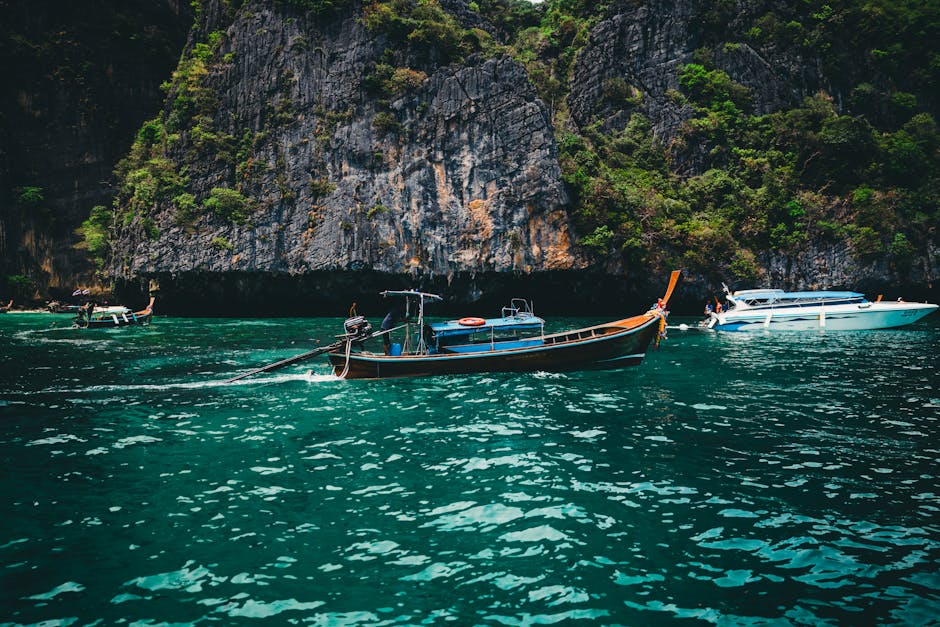
Over the years, I've had the opportunity to explore several caves in Thailand, each offering a unique and unforgettable experience. Here are a few of my personal favorites:
Tham Lod Cave, Pai
Tham Lod is a must-see if you're ever in Pai. This massive cave system is traversed by the Nam Lang River, and the most common way to explore it is by bamboo raft. Gliding through the dark, illuminated only by the guide's lamp, is an incredibly atmospheric experience.
Inside, you'll be amazed by the towering stalactites and stalagmites, some reaching incredible heights. The cave is also home to thousands of bats and swifts, creating a symphony of sounds as they fly overhead. Keep an eye out for the ancient teak coffins perched high on ledges, remnants of a long-gone burial tradition.
Phraya Nakhon Cave, Khao Sam Roi Yot National Park
Phraya Nakhon Cave is perhaps one of the most iconic caves in Thailand, and for good reason. This stunning cave features a collapsed roof, allowing sunlight to stream in and illuminate the Royal Pavilion built inside. The pavilion, constructed in 1890 for King Chulalongkorn's visit, creates a breathtaking scene, especially when the sun shines directly on it.
Reaching Phraya Nakhon Cave requires a bit of effort. You'll need to hike along a coastal trail, which can be quite challenging in the heat. But trust me, the reward is more than worth it. The sight of the pavilion bathed in sunlight is something you'll never forget.
Chiang Dao Cave, Chiang Mai
Chiang Dao Cave, located near Chiang Mai, is a complex system of interconnected caves, some of which are lit and easily accessible to tourists. Others require a guide and a bit more adventurous spirit. These deeper sections offer a more authentic caving experience, with narrow passages and impressive rock formations.
What I loved about Chiang Dao Cave was the blend of accessibility and adventure. You can easily explore the main chambers on your own, but if you're looking for something more challenging, you can hire a local guide to take you deeper into the cave system.
Tham Kong Lor Cave, Laos (A Short Trip Away!)
Okay, technically, Tham Kong Lor isn't in Thailand, but it's so close and so spectacular that I had to include it. Located just across the border in Laos, this incredible cave is traversed by the Nam Hin Bun River. You can hire a longtail boat to take you through the cave, which stretches for over 7 kilometers!
The scale of Tham Kong Lor is simply mind-blowing. The ceilings are incredibly high, and the river creates a surreal atmosphere as you glide through the darkness. There are also several illuminated sections where you can stop and admire the impressive rock formations. If you're up for a short trip from Thailand, Tham Kong Lor is an absolute must-see.
Tips for a Safe and Enjoyable Caving Experience

Caving can be an incredibly rewarding experience, but it's important to prioritize safety and respect the environment. Here are a few tips to keep in mind:
- Go with a Reputable Guide: Unless you're an experienced caver, it's always best to explore caves with a qualified guide. They can provide valuable insights into the cave's history, geology, and ecology, as well as ensure your safety.
- Wear Appropriate Clothing and Footwear: Caves can be damp and muddy, so wear clothes that you don't mind getting dirty. Sturdy shoes with good traction are essential for navigating uneven terrain.
- Bring a Headlamp or Flashlight: Light is crucial for navigating caves safely. A headlamp is ideal as it leaves your hands free. Always bring extra batteries.
- Be Aware of Your Surroundings: Watch out for slippery surfaces, low ceilings, and sharp rocks. Pay attention to your guide's instructions and stay within the designated areas.
- Respect the Environment: Do not touch or remove anything from the cave. Leave no trace of your visit and pack out all your trash. Avoid disturbing any wildlife.
- Let Someone Know Your Plans: Before entering a cave, inform someone of your itinerary and expected return time. This is especially important if you're exploring a less-visited cave.
- Check Weather Conditions: Heavy rainfall can cause flash floods in caves, so check the weather forecast before your trip. Avoid caving during periods of heavy rain.
- Bring Water and Snacks: Caving can be strenuous, so bring plenty of water and snacks to stay hydrated and energized.
Remember, respecting the cave environment is crucial. These natural wonders are fragile and take millions of years to form. By being responsible visitors, we can help preserve them for future generations to enjoy.
What to Pack for Your Caving Adventure

Packing the right gear can make all the difference in your caving experience. Here's a checklist of essential items:
- Headlamp or Flashlight: As mentioned before, this is absolutely crucial.
- Extra Batteries: Don't get caught in the dark!
- Sturdy Shoes: Hiking boots or trail shoes with good traction are ideal.
- Comfortable Clothing: Wear clothes that you don't mind getting dirty and that will keep you comfortable in a damp environment. Long sleeves and pants can protect you from scratches and insect bites.
- Water and Snacks: Stay hydrated and energized.
- Small Backpack: To carry your essentials.
- First-Aid Kit: For minor injuries.
- Insect Repellent: Mosquitoes and other insects can be a nuisance, especially in damp caves.
- Sunscreen: If the cave has openings to the outside, you'll need sunscreen to protect your skin.
- Dry Bag (Optional): To protect your electronics and other valuables from water damage.
- Camera: To capture the incredible scenery (if allowed and protected in a dry bag!).
This list is a general guideline. The specific items you'll need will depend on the type of cave you're exploring and the duration of your trip.
The Thrill of Discovery and Connection
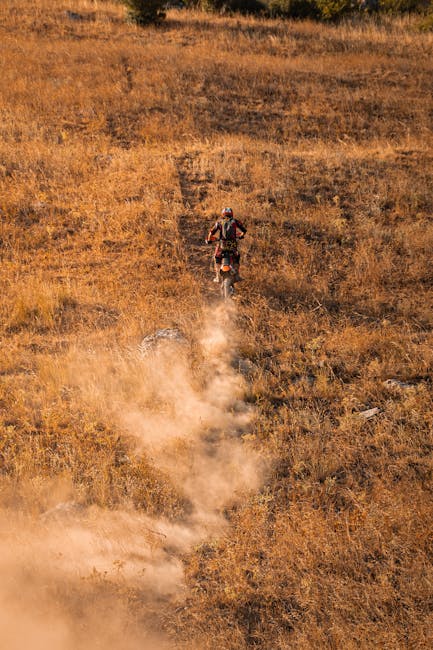
For me, caving isn't just about exploring pretty rock formations. It's about the thrill of discovery, the challenge of navigating through unknown terrain, and the feeling of connection with the natural world. Stepping into a cave is like stepping back in time, to a place untouched by the modern world.
There's something incredibly humbling about being surrounded by ancient rock formations, sculpted by forces far greater than ourselves. It reminds us of our place in the grand scheme of things and inspires a sense of awe and wonder.
And beyond the physical adventure, caving can also be a deeply personal experience. It's a chance to disconnect from the distractions of everyday life and connect with your inner self. The darkness and silence of the cave can be incredibly calming, allowing you to clear your mind and find a sense of peace.
Sustainable Caving: Protecting Our Underground Treasures

As tourism to caves increases, it's essential that we practice sustainable caving to minimize our impact on these fragile ecosystems. Here are some ways we can help protect our underground treasures:
- Support Responsible Tour Operators: Choose tour operators that prioritize sustainability and conservation. Look for companies that have certifications or endorsements from environmental organizations.
- Stick to Marked Trails: Avoid straying from designated trails to minimize disturbance to the cave environment.
- Avoid Touching Formations: The oils from our skin can damage delicate rock formations, so avoid touching them.
- Don't Litter: Pack out all your trash and dispose of it properly.
- Respect Wildlife: Caves are home to a variety of wildlife, including bats, insects, and amphibians. Avoid disturbing them and do not feed them.
- Educate Others: Share your knowledge about sustainable caving with friends and family. Encourage them to be responsible visitors as well.
By following these simple guidelines, we can help ensure that these incredible caves remain pristine and accessible for future generations to enjoy.
Is Caving in Thailand Right for You?
So, is caving in Thailand right for you? Well, that depends! If you're an adventurous spirit with a love for the outdoors, a willingness to get a little dirty, and a desire to explore the unknown, then I wholeheartedly recommend it. However, it's not for everyone.
Caving can be physically demanding, requiring you to hike, climb, and squeeze through tight spaces. It can also be mentally challenging, as you'll be navigating in the dark and potentially encountering tight spaces and confined areas. If you're claustrophobic or have any physical limitations, you may want to choose a less strenuous activity.
But if you're up for the challenge, caving in Thailand can be an incredibly rewarding experience. It's a chance to push your boundaries, discover hidden wonders, and create memories that will last a lifetime. So, what are you waiting for? Start planning your adventure today!
I hope this has inspired you to consider exploring the hidden underground worlds of Thailand. It's a truly unique and unforgettable experience that I highly recommend. Happy caving!
Post a Comment