Exploring the Sino-Portuguese Charm of Old Phuket Town: A Journey Through Time

Exploring the Sino-Portuguese Charm of Old Phuket Town: A Journey Through Time
Hey there, fellow travel enthusiast! Have you ever stumbled upon a place that feels like stepping into a different era? That's exactly how I felt when I first wandered through the streets of Old Phuket Town. It's not just a place; it's an experience, a living, breathing museum showcasing a beautiful blend of cultures and architectural styles. Forget the beaches for a moment (I know, hard to imagine in Phuket!), and let's dive into the captivating world of Sino-Portuguese architecture, vibrant street art, and the rich history that makes Old Phuket Town so incredibly special.
Discovering the Heart of Phuket's History

Before the sun-kissed beaches and bustling nightlife became synonymous with Phuket, this island thrived on a completely different industry: tin mining. And Old Phuket Town was the epicenter of it all. In the 19th century, Chinese immigrants flocked to the island, bringing with them their culture, traditions, and of course, their architectural know-how. These industrious newcomers mingled with the Portuguese who had established trading routes here centuries before, resulting in the unique Sino-Portuguese architectural style that defines the town today.
Imagine a fusion of European elegance and Chinese practicality. That's what you get with these buildings. Think stately mansions adorned with intricate stucco details, colorful shutters, and beautiful tiled floors. These weren't just houses; they were statements of wealth and prosperity, reflecting the success of the tin barons and the burgeoning multicultural society.
Decoding Sino-Portuguese Architecture

So, what exactly makes Sino-Portuguese architecture so distinctive? It's more than just a pretty facade; it's a fascinating combination of different influences, each contributing to the overall aesthetic. Let's break down some of the key elements:
- The Shophouse Structure: This is the most common type of building you'll see. Shophouses are typically narrow, two- or three-story buildings with a shop or business on the ground floor and living quarters above. This design allowed merchants to live and work in the same space.
- Arched Windows and Doors: The Portuguese influence is evident in the use of arched windows and doors, adding a touch of European sophistication to the overall design.
- Intricate Stucco Details: Look closely at the facades, and you'll notice elaborate stucco work depicting floral motifs, geometric patterns, and even mythical creatures. These details were often commissioned to reflect the owner's wealth and status.
- Colorful Tiles: The vibrant Peranakan tiles, often imported from Europe, add a splash of color and character to the buildings. You'll see them adorning walls, floors, and even furniture.
- Courtyards and Open Spaces: Many of the larger mansions feature internal courtyards, providing natural light and ventilation. These spaces were also used for social gatherings and family activities.
For me, appreciating these details is like reading a secret code. Each element tells a story about the people who built these buildings and the lives they lived. It's a reminder that architecture is more than just bricks and mortar; it's a reflection of culture, history, and human ingenuity.
A Walking Tour Through History: Must-See Spots
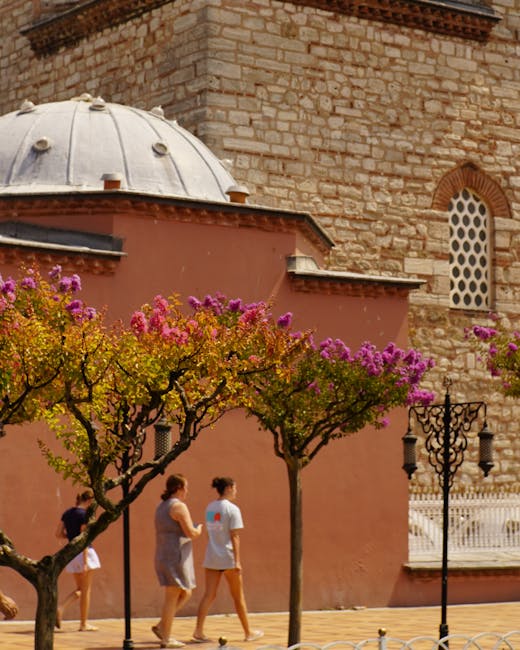
Ready to explore? Lace up your walking shoes, grab a bottle of water (it can get hot!), and prepare to be transported back in time. Here are some of the must-see spots in Old Phuket Town:
- Thalang Road: This is the heart of Old Phuket Town, lined with beautifully preserved Sino-Portuguese buildings. Take your time to stroll along the street, admiring the architecture, popping into the shops, and soaking up the atmosphere.
- Soi Rommanee: This narrow alleyway is one of the most photographed spots in Old Phuket Town. Its colorful buildings, charming cafes, and street art make it a truly Instagrammable location.
- Dibuk Road: Similar to Thalang Road, Dibuk Road is another great place to admire Sino-Portuguese architecture and discover hidden gems.
- Phuket Thai Hua Museum: Housed in a former Chinese-language school, this museum tells the story of the Chinese immigrants who came to Phuket and their contributions to the island's development.
- Chinpracha House: This beautifully preserved mansion offers a glimpse into the life of a wealthy Sino-Portuguese family. You can tour the house and learn about its history and architecture.
Don't be afraid to wander off the main streets and explore the smaller alleyways. You never know what hidden treasures you might discover! I found some of the most charming cafes and shops tucked away in unexpected places.
Beyond the Buildings: Experiencing the Culture

Old Phuket Town is more than just stunning architecture; it's a vibrant cultural hub. It's a place where you can immerse yourself in the local traditions, sample authentic cuisine, and witness a community that's proud of its heritage.
Here are a few ways to experience the culture of Old Phuket Town:
- Try the Local Cuisine: Phuket is known for its delicious food, and Old Phuket Town is the perfect place to sample some of the local specialties. Be sure to try Hokkien Mee (stir-fried noodles), Moo Hong (braised pork belly), and Oh Aew (a refreshing shaved ice dessert).
- Visit a Shrine or Temple: Several Chinese shrines and temples are located in Old Phuket Town. These places of worship offer a glimpse into the religious beliefs and practices of the local community. Jui Tui Shrine is one of the most famous.
- Attend a Festival or Event: Throughout the year, Old Phuket Town hosts various festivals and events that celebrate the island's culture and heritage. The Phuket Vegetarian Festival, held in October, is a particularly spectacular event.
- Shop for Souvenirs: Old Phuket Town is a great place to find unique souvenirs, from handcrafted jewelry and clothing to local artwork and handicrafts. Support the local artisans and bring home a piece of Phuket's culture.
- Take a Cooking Class: Learn to prepare some of Phuket's most famous dishes in a cooking class. It's a fun and interactive way to experience the local cuisine and impress your friends and family back home.
Street Art: A Modern Twist on a Historical Canvas

While Old Phuket Town is steeped in history, it's not stuck in the past. The streets are also adorned with vibrant street art that adds a modern twist to the historical canvas. These murals, created by local and international artists, depict scenes from Phuket's history, culture, and everyday life.
Walking around, you'll find whimsical depictions of local wildlife, portraits of historical figures, and abstract designs that reflect the island's creative spirit. The street art scene is constantly evolving, so there's always something new to discover.
I love how the street art adds another layer of interest to the town. It's a reminder that history is not static; it's a living, breathing thing that continues to evolve and inspire new forms of expression.
Tips for Planning Your Visit

Planning a trip to Old Phuket Town? Here are a few tips to help you make the most of your visit:
- Best Time to Visit: The best time to visit Phuket is during the dry season, which runs from November to April. The weather is generally sunny and dry, making it ideal for exploring the town on foot.
- Getting Around: Old Phuket Town is best explored on foot. The streets are narrow and pedestrian-friendly, allowing you to soak up the atmosphere at your own pace.
- Accommodation: Numerous boutique hotels and guesthouses are located in Old Phuket Town, offering a range of accommodation options to suit all budgets.
- Dress Code: When visiting temples and shrines, it's important to dress respectfully. Avoid wearing revealing clothing, and be sure to remove your shoes before entering the sacred space.
- Bargaining: Bargaining is common in some of the shops and markets. Don't be afraid to negotiate a fair price, but always do so respectfully.
My Personal Recommendations

Okay, now for some personal recommendations! These are just a few of my favorite spots in Old Phuket Town:
- For Coffee: I absolutely adore the atmosphere at "Raya Restaurant". The coffee is fantastic, and the setting is simply stunning.
- For Lunch: "One Chun Cafe" is a must-try for authentic Phuket cuisine. Their Moo Hong is to die for!
- For a Sweet Treat: "Torry's Ice Cream Boutique" is the perfect place to cool down with a delicious homemade ice cream. Their flavors are so creative and unique.
- For Shopping: Browse the stalls at the Phuket Walking Street Market (held on Sundays) for local handicrafts, souvenirs, and street food.
Leaving a Piece of My Heart in Old Phuket Town

Old Phuket Town is more than just a tourist destination; it's a place that has captured my heart. Its unique blend of history, culture, and architecture makes it a truly special place to visit. Every time I wander through its streets, I discover something new, something fascinating, something that reminds me of the beauty and diversity of the world we live in.
So, if you're planning a trip to Phuket, don't just stick to the beaches. Take a day (or two!) to explore the charming streets of Old Phuket Town. You won't be disappointed. It's a journey through time, a celebration of culture, and an experience you'll never forget. Trust me, you'll leave with a piece of Phuket's charm etched in your memory, just like I did.
Happy travels!
Post a Comment