Northern Thailand's Charm: Chiang Mai, Chiang Rai & Pai - A Personal Journey
Northern Thailand's Charm: Chiang Mai, Chiang Rai & Pai - A Personal Journey
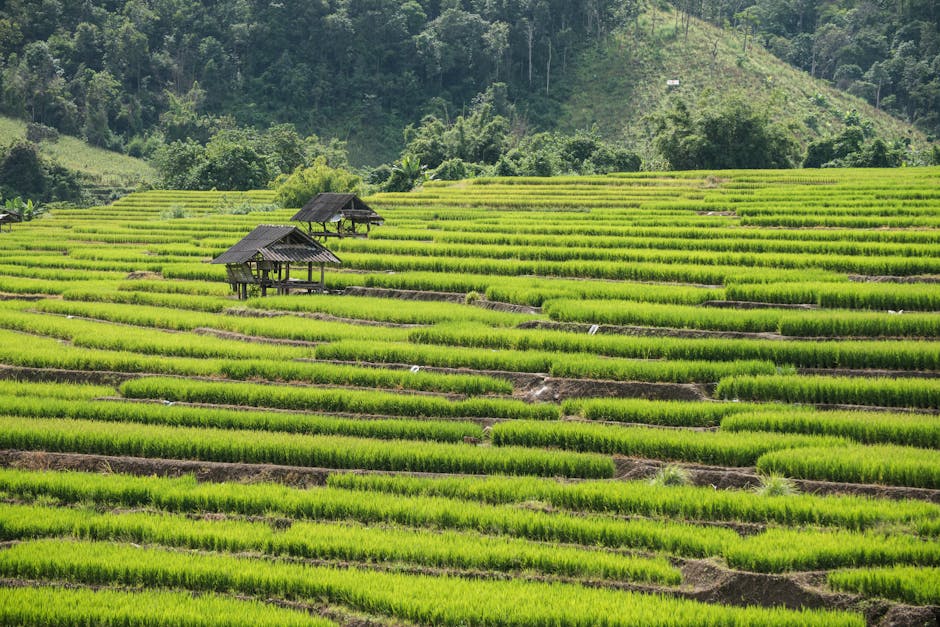
Okay, let's talk Northern Thailand! If you're anything like me, the words "Thailand" conjure up images of bustling Bangkok, stunning beaches in the south, and maybe a Full Moon Party or two. But trust me, there's a whole different side to this amazing country waiting to be discovered up north. I'm talking about Chiang Mai, Chiang Rai, and Pai - a trio of destinations that have completely stolen my heart. They offer a blend of culture, adventure, serenity, and breathtaking scenery that you just won't find anywhere else. Let me take you on a little personal journey through these enchanting places, sharing my experiences and hopefully inspiring you to plan your own northern escape.
Chiang Mai: The Cultural Hub
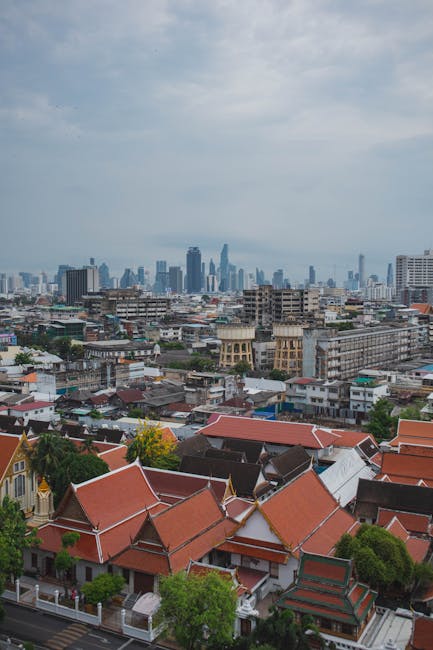
Chiang Mai, the "Rose of the North," was my first stop, and honestly, it set the bar incredibly high. It's a city that effortlessly blends ancient history with modern vibes. Imagine yourself wandering through centuries-old temples, then grabbing a delicious (and super affordable!) smoothie at a trendy cafe just minutes later. That's Chiang Mai in a nutshell.
Exploring the Old City: Stepping inside the ancient city walls feels like travelling back in time. The Old City is a square area surrounded by moats and remnants of ancient fortifications. Within these walls, you'll find countless temples, each with its own unique story and architectural style. Wat Chedi Luang is a must-see, with its imposing ruined chedi that once housed the Emerald Buddha (now in Bangkok). Wat Phra Singh, another highlight, showcases exquisite Lanna architecture and intricate wood carvings. Don't forget to visit Wat Chiang Man, the oldest temple in Chiang Mai, known for its elephant-supported chedi. Seriously, take your time to wander, get lost in the narrow streets, and soak it all in.
Doi Suthep: A Mountain Pilgrimage: A trip to Chiang Mai isn't complete without a visit to Doi Suthep. Perched high on a mountain overlooking the city, Wat Phra That Doi Suthep is one of Thailand's most sacred temples. The climb (or the cable car ride!) up is an adventure in itself, and the views from the top are simply spectacular. Legend has it that a white elephant carrying a sacred relic was released on the mountain, and it knelt down at the spot where the temple now stands. Whether you're religious or not, the spiritual atmosphere and the panoramic views are incredibly moving.
Cooking Classes: A Culinary Adventure: I'm a huge foodie, so naturally, a Thai cooking class was high on my priority list. Chiang Mai is famous for its cooking schools, and I chose one that started with a visit to a local market. We learned about all the fresh ingredients, from galangal and lemongrass to kaffir lime leaves and chilies. Then, back in the kitchen, we learned how to prepare classic Thai dishes like Pad Thai, green curry, and mango sticky rice. Not only did I learn some amazing new skills, but I also got to eat everything I made! It was seriously one of the most fun and delicious experiences of my trip.
Night Bazaar: A Shopper's Paradise: If you love to shop, you'll be in heaven at the Chiang Mai Night Bazaar. Every evening, the streets come alive with vendors selling everything from handicrafts and clothing to souvenirs and street food. It's a bustling, vibrant atmosphere, and you can find some incredible deals if you're willing to bargain. Just remember to smile, be respectful, and have fun with it!
Ethical Elephant Encounters: It's crucial to choose your elephant experiences wisely. Avoid any places that offer elephant riding or that mistreat the animals. Instead, opt for ethical sanctuaries where you can observe elephants in their natural habitat, feed them, and even help with their care. It's a much more rewarding and responsible way to interact with these magnificent creatures.
Chiang Rai: Serenity and Spirituality
After the bustling energy of Chiang Mai, Chiang Rai offered a welcome dose of serenity. This city, nestled amidst rolling hills and tea plantations, is a place where you can truly slow down and connect with nature. It's also known for its unique and sometimes bizarre art installations.
The White Temple (Wat Rong Khun): This is probably the most famous landmark in Chiang Rai, and for good reason. Designed and built by the artist Chalermchai Kositpipat, Wat Rong Khun is a dazzling, all-white temple that's unlike anything you've ever seen. It's filled with intricate details, symbolic sculptures, and even pop culture references (keep an eye out for Spiderman!). It's truly a work of art, and it's impossible not to be awestruck by its beauty and grandeur.
The Black House (Baan Dam Museum): In stark contrast to the White Temple, the Black House (Baan Dam Museum) is a collection of traditional Thai houses and buildings filled with dark and often macabre art. Created by the artist Thawan Duchanee, the museum features animal skulls, bones, skins, and other unsettling objects. It's definitely not for the faint of heart, but it's a fascinating and thought-provoking experience.
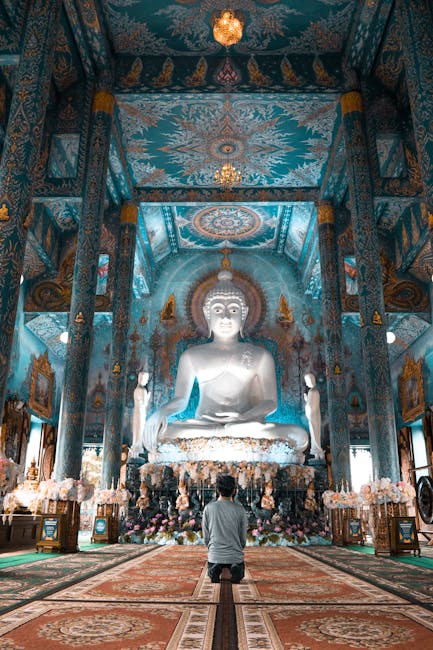
The Blue Temple (Wat Rong Suea Ten): Continuing the theme of uniquely colored temples, the Blue Temple (Wat Rong Suea Ten) is another must-see in Chiang Rai. This relatively new temple is a stunning shade of sapphire blue, with intricate carvings and impressive statues. It's less crowded than the White Temple, so you can really take your time to explore and appreciate its beauty.
Tea Plantations and Doi Mae Salong: Chiang Rai is famous for its tea plantations, and a visit to one is a great way to experience the natural beauty of the region. Doi Mae Salong is a mountain village known for its tea production and its unique history. It was founded by Chinese Nationalist soldiers who fled China after the communist revolution. You can sample different types of tea, learn about the tea-making process, and enjoy stunning views of the surrounding mountains.
Golden Triangle: A Historical Crossroads: The Golden Triangle, where Thailand, Laos, and Myanmar meet, has a long and complicated history. Once notorious for its opium production, the area is now a popular tourist destination. You can visit the Opium Museum to learn about the history of the region and take a boat trip on the Mekong River to see the point where the three countries converge. It's a fascinating and somewhat sobering experience.
Pai: Bohemian Rhapsody in the Mountains

Pai is a small town nestled in the mountains, and it has a completely different vibe from Chiang Mai and Chiang Rai. It's known for its laid-back atmosphere, stunning natural scenery, and its popularity with backpackers and artists. Imagine yourself relaxing in a hammock, surrounded by lush green hills, with a cold beer in hand – that's Pai in a nutshell.
Pai Canyon: Sunset Views to Remember: Pai Canyon is a series of narrow ridges and deep ravines, formed by erosion over centuries. It's a popular spot for hiking and enjoying panoramic views, especially at sunset. Just be careful, as the trails can be quite steep and slippery!
The Land Split: A Farmer's Ingenious Response: The Land Split is a unique attraction created by a local farmer after an earthquake caused a series of deep cracks in his land. Instead of trying to repair the damage, he turned it into a tourist attraction, offering visitors homemade snacks and drinks. It's a testament to the ingenuity and resourcefulness of the local people.
Pam Bok Waterfall: A Refreshing Dip: Pam Bok Waterfall is a small but beautiful waterfall surrounded by lush vegetation. It's a great place to take a refreshing dip in the cool water and escape the heat. The walk to the waterfall is also quite scenic.
The Bamboo Bridge: A Scenic Stroll: The Bamboo Bridge is a long, narrow bridge that stretches across rice paddies, connecting two villages. It's a scenic spot for a leisurely stroll, and you'll often see farmers working in the fields along the way.
Walking Street: Nightly Festivities: Every evening, Pai's Walking Street comes alive with vendors selling food, handicrafts, and souvenirs. It's a great place to sample local delicacies, listen to live music, and soak up the bohemian atmosphere.
The Pai Circus School: Learn Something New: If you're feeling adventurous, why not try a circus skill workshop? The Pai Circus School offers classes in juggling, tightrope walking, and other circus arts. It's a fun and unique way to spend an afternoon.
Planning Your Northern Thailand Adventure

Okay, so now you're probably itching to book your flights! Here are a few tips to help you plan your trip:
Best Time to Visit: The best time to visit Northern Thailand is during the cool, dry season, which runs from November to February. The weather is pleasant, and the skies are clear. However, this is also peak season, so expect higher prices and more crowds. The shoulder seasons (March-May and September-October) can also be good, but be prepared for some rain and humidity. Avoid the rainy season (June-August), as many activities may be affected by the weather.
Getting Around: There are several ways to get around Northern Thailand:
- Flights: Flying is the fastest and most convenient way to travel between cities, especially if you're short on time.
- Buses: Buses are a more budget-friendly option, but they can be slow and uncomfortable.
- Trains: The train from Bangkok to Chiang Mai is a scenic and relaxing way to travel, but it takes about 12 hours.
- Motorbikes: Renting a motorbike is a popular way to explore the countryside, but be aware that the roads can be dangerous, and you'll need an international driving permit.
- Songthaews and Tuk-Tuks: Within cities, songthaews (red trucks) and tuk-tuks are common modes of transportation. Negotiate the price before you get in.
Accommodation: Northern Thailand offers a wide range of accommodation options, from budget-friendly guesthouses and hostels to luxurious hotels and resorts. In Chiang Mai, you can choose to stay in the Old City for easy access to the temples or in the Nimmanhaemin area for a more modern and trendy vibe. In Chiang Rai, you might want to consider staying near the city center or in a more secluded resort surrounded by nature. In Pai, there are plenty of charming guesthouses and bungalows to choose from.
What to Pack: Pack light, comfortable clothing that's suitable for warm weather. Don't forget to bring sunscreen, insect repellent, a hat, and comfortable walking shoes. If you plan on visiting temples, make sure to dress respectfully (cover your shoulders and knees). A light sweater or jacket might be useful for cooler evenings in the mountains.
Food and Drink: Northern Thailand is a food lover's paradise. Be sure to try local specialties like Khao Soi (a coconut curry noodle soup), Sai Oua (Northern Thai sausage), and Gaeng Hang Lay (a Burmese-style pork curry). Street food is generally safe and delicious, but use common sense and choose vendors that look clean and popular. Bottled water is readily available, and it's advisable to avoid drinking tap water.
Respectful Travel: Remember that Thailand is a Buddhist country, so it's important to be respectful of local customs and traditions. Dress modestly when visiting temples, and avoid pointing your feet at people or religious images. Be mindful of noise levels, especially in quiet areas. Learn a few basic Thai phrases, like "Sawasdee" (hello) and "khop khun" (thank you). A little effort goes a long way!
My Final Thoughts

Northern Thailand, for me, is more than just a destination; it's an experience that stays with you long after you've left. It's a place where you can connect with nature, immerse yourself in culture, and discover a slower pace of life. From the ancient temples of Chiang Mai to the serene landscapes of Chiang Rai and the bohemian vibes of Pai, there's something for everyone in this enchanting region. I truly hope that my personal journey has inspired you to embark on your own Northern Thailand adventure. Trust me, you won't regret it!
Post a Comment